Look at a map long enough and your eye drifts to the empty parts — the little specks of land marooned in all that blue, hundreds or thousands of miles from anywhere. Most of us will never set foot on them, and a few of them will never let us. But that distance is exactly what makes them interesting: cut off from the rest of the world, these islands went strange in their own private ways.
Here are eight remote islands with secrets worth knowing — some forbidden, some abandoned, some so far from everything that getting there is its own kind of feat.
North Sentinel Island
Bay of Bengal, IndiaSomewhere in the Andaman Islands sits a patch of jungle roughly the size of Manhattan, home to a people who have chosen — emphatically — to be left alone. The Sentinelese have lived there for tens of thousands of years, and they remain one of the last groups on Earth with essentially no contact with the outside world. We don’t know their language, their numbers, or even what they call themselves.
India enforces a no-go zone around the island, and it’s not just bureaucracy: outsiders who approach are met with arrows, and the isolation protects the Sentinelese from diseases they’d have no immunity to. The right response here isn’t a rescue mission or a documentary crew. It’s respect — leaving a people be, exactly as they’ve asked, in the only way they can.
Socotra
Arabian Sea, YemenIf someone told you the photos from Socotra were taken on another planet, you’d probably believe them. Marooned off the Horn of Africa for millions of years, the island evolved plants you’ll find nowhere else — most famously the dragon’s blood tree, an umbrella-shaped oddity that bleeds a deep red sap when cut.
Around a third of Socotra’s plant life is unique to the island, which has earned it the nickname “the Galápagos of the Indian Ocean” and a spot on the UNESCO World Heritage list. The long isolation did all the work here — enough time alone, and life simply invents its own rules.
Ilha da Queimada Grande
off São Paulo, BrazilAbout 90 miles off the coast of Brazil lies an island so dangerous that the government has made it off-limits to just about everyone. Its nickname tells you why: Snake Island. When rising seas cut it off from the mainland thousands of years ago, the snakes trapped there evolved in isolation into the golden lancehead, a viper found nowhere else on Earth.
Estimates of how many snakes live there vary wildly, but the reputation for a “snake per square meter” is an exaggeration — the real density is high, just not that high. Either way, Brazil’s navy keeps people off, allowing only the occasional permitted scientist ashore. A whole island, quietly handed back to the animals.
Poveglia
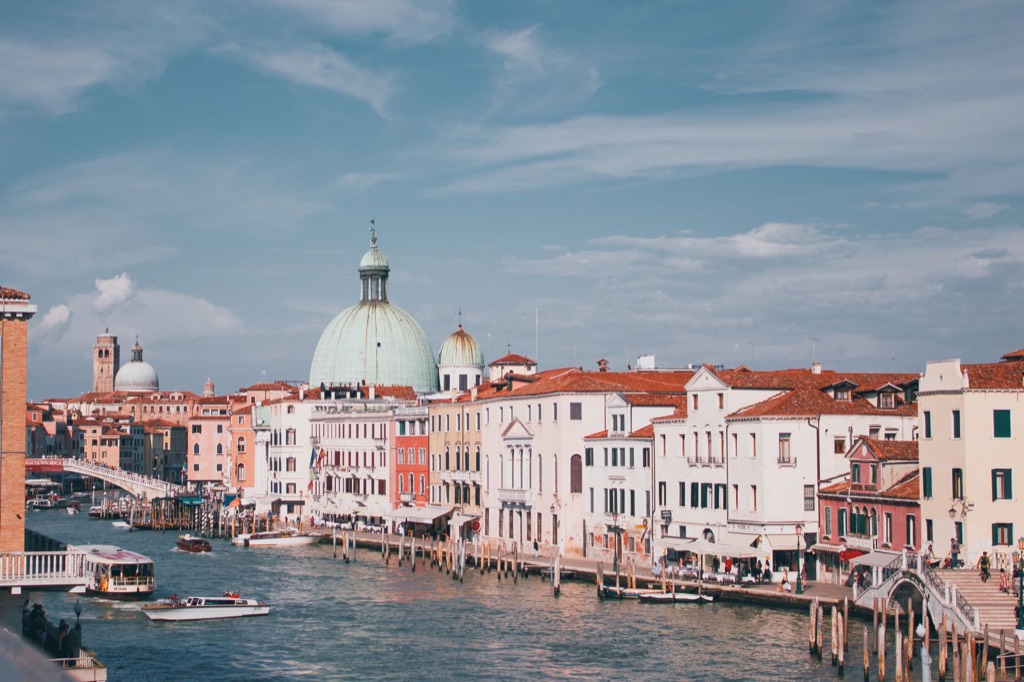
Venetian Lagoon, ItalyNot every remote island is far away. Poveglia sits in plain sight in the Venetian Lagoon, a short boat ride from one of the most visited cities on Earth — and yet it’s abandoned and closed to the public. Its history is genuinely grim: it served as a quarantine station for plague-stricken ships, and later, in the 20th century, as a mental hospital.
That past has attracted a thick coat of ghost stories, and you’ll see Poveglia crowned “the most haunted island in the world” by people who like that sort of thing. Take the hauntings with a grain of salt; the documented history is bleak enough on its own. Today it stands empty, its buildings crumbling within sight of the tourist crowds.
Tristan da Cunha
South Atlantic OceanMeet the most remote inhabited island on the planet. Tristan da Cunha floats in the South Atlantic more than 1,500 miles from the nearest mainland, with no airport — the only way in is a days-long boat trip from South Africa. Fewer than 300 people live there, and nearly all of them share a handful of surnames, descended from the tiny group who first settled it.
Life this far out demands cooperation: the community famously farms and fishes together and holds land in common. When the island’s volcano erupted in 1961, the entire population was evacuated to England — and then, given the choice to stay in comfort, most of them voted to go back home. Some places get into your blood.
Cut off from the rest of the world, these islands went strange in their own private ways.
Palmerston Island
Cook Islands, South PacificHere’s a place where nearly everyone is family — literally. Palmerston, a scattering of islets around a Pacific lagoon, was settled in the 1860s by an Englishman named William Marsters, who arrived with his wives and set about founding a community. Today almost all of the island’s few dozen residents descend from that one man.
The isolation runs deep: a supply ship calls only a couple of times a year, and visitors are so rare that any yacht dropping anchor is claimed as a guest by one of the island’s founding families. English is still spoken there in an old dialect passed down from Marsters himself — a living echo of the 19th century, preserved by distance.
Ōkunoshima
Inland Sea, JapanThis small Japanese island has a nickname that sounds adorable — Rabbit Island — and it earns it. Hundreds of wild rabbits roam freely, hopping up to visitors who arrive by ferry with pockets full of pellets. It’s one of the most charming day trips in Japan, and it photographs like a dream.
The secret is what the cuteness sits on top of. During World War II, Ōkunoshima was so secret it was erased from maps: it housed a factory that manufactured poison gas for the Japanese military. The rabbits aren’t descended from test animals, despite the popular legend — that connection is a myth — but the island’s dark chapter is very real, and a small museum there tells it plainly.
Hashima Island
off Nagasaki, JapanFrom a distance it looks like a battleship steaming across the water, which is how it earned its nickname, Gunkanjima — “Battleship Island.” Up close it’s stranger still: a tiny speck of rock crammed with concrete apartment blocks, once packed so tightly that it was among the most densely populated places on Earth. It was a coal-mining boomtown, home to thousands.
When the mine closed in 1974, everyone left almost at once, and the island was simply abandoned — furniture, dishes, and all. For decades it sat sealed off, slowly decaying into a concrete ghost town, until it reopened for limited tours and even played a villain’s lair in a James Bond film. A whole city, frozen the day the last ferry pulled away.
What these eight share isn’t just remoteness — it’s what remoteness does. Given enough distance and time, an island will keep a people to itself, grow plants that exist nowhere else, hide a factory, or hold onto a way of life the rest of us let go of long ago. The empty specks on the map are rarely as empty as they look.
Frequently asked questions
Why is North Sentinel Island forbidden to visitors?
North Sentinel is home to the Sentinelese, one of the last peoples on Earth with essentially no contact with the outside world, who meet approaching outsiders with arrows. India enforces a no-go zone around the island both to respect their choice to be left alone and to protect them from diseases they’d have no immunity to.
What is the most remote inhabited island in the world?
That title belongs to Tristan da Cunha, which sits in the South Atlantic more than 1,500 miles from the nearest mainland. It has no airport — the only way in is a days-long boat trip from South Africa — and fewer than 300 people live there, most sharing just a handful of surnames.
Why is Ilha da Queimada Grande called Snake Island?
When rising seas cut the island off from mainland Brazil thousands of years ago, the trapped snakes evolved in isolation into the golden lancehead, a highly venomous viper found nowhere else on Earth. The density of snakes is genuinely high — though the famous “one per square meter” claim is an exaggeration — so Brazil’s navy keeps people off, allowing only the occasional permitted scientist ashore.
What dark secret does Japan’s Rabbit Island hide?
Ōkunoshima is famous today for the hundreds of wild rabbits that greet ferry visitors, but during World War II it was so secret it was erased from maps because it housed a factory making poison gas for the Japanese military. The popular tale that the rabbits descend from test animals is a myth, but the island’s dark chapter is real and a small museum there tells it plainly. Like the abandoned Hashima Island, it’s a reminder that remote places often have fates as strange as the ancient wonders that time swallowed up.
Sources
How much do you remember?
3 quick questions from the story above.
Enjoyed that? Play a full trivia quiz:
Play a Geography quiz