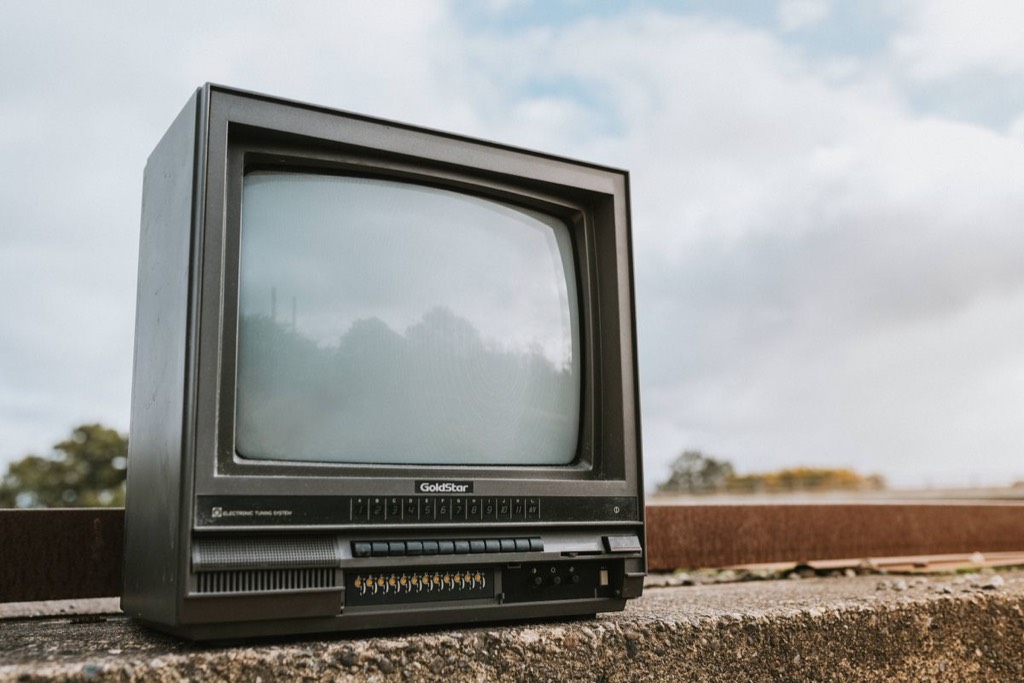
There was a time when a single show could pull in half the country on a Sunday night, and the next morning everyone at work had seen the same thing. A lot of those shows are gone now — not just off the air, but genuinely faded from the schedule and, slowly, from memory.
What happened to them says as much about how television changed as it does about the shows themselves. Here are eight that everyone watched — and the reasons they disappeared.
The Ed Sullivan Show
The Sunday-night institutionFor 23 years, Sunday night meant Ed Sullivan. He introduced the country to Elvis and the Beatles and just about every act in between, all on one stage. If it mattered in American entertainment, it happened on his show first.
By 1971 CBS decided its audience was skewing too old, and the variety format was starting to feel dated. The show was canceled — the end of an era that never really came back.
The Beverly Hillbillies
A casualty of the “rural purge”The story of the Clampetts striking oil and moving to Beverly Hills was one of the biggest hits of the 1960s. Even when the reviews were unkind, the ratings were enormous.
Then came what people in the business still call the “rural purge.” Around 1971, CBS cut a whole batch of country-flavored shows at once to chase younger, city viewers advertisers wanted. As one of its stars later put it, the network canceled everything with a tree in it.
Bonanza
When the western fadedAt its peak the Ponderosa was appointment viewing, and for a while Bonanza was the most popular show on television. There was a stretch in the late 1950s when the airwaves were so full of cowboys you could watch a western nearly every night.
Tastes moved on, though, and the death of cast member Dan Blocker in 1972 took the heart out of the show. It ended in 1973, and the great TV western largely went with it.
Gunsmoke
Twenty years on the frontierGunsmoke ran for an astonishing twenty seasons, one of the longest-running dramas in the history of American television. Marshal Dillon kept the peace in Dodge City for a generation of viewers.
By 1975 the western had fallen out of fashion and the ratings had cooled. The cancellation came so abruptly that the cast reportedly learned about it in the newspaper.
As one star put it, the network canceled everything with a tree in it.
The Lawrence Welk Show
Too old for the network, beloved anywayWith its bubbles, its big band, and its “wunnerful, wunnerful” host, Lawrence Welk’s show was a Saturday-night fixture for families across the country.
ABC dropped it in 1971 for appealing to an older crowd — but here’s the twist. Welk simply produced it himself and sold it directly to local stations, where it ran for another eleven years and still turns up on public television today.
The Carol Burnett Show
The last great variety hourFor eleven years Carol Burnett and her cast did sketch comedy at a level that has rarely been matched — the movie spoofs, the recurring characters, the famous curtain-rod dress. It won a shelf full of Emmys.
When it ended in 1978, it took the variety show with it. The format that had ruled television for two decades quietly stopped being made.
M*A*S*H
The one that left on topMost shows die when the audience drifts away. M*A*S*H did the opposite — it chose to end while it was still one of the most watched programs on television, after eleven seasons set in a war that lasted three years.
Its 1983 finale drew somewhere around 106 million viewers, a record that stood for decades. Sometimes the wisest thing a great show can do is decide when to say goodbye.
Rowan & Martin’s Laugh-In
Bright, fast, and goneLaugh-In exploded onto television in 1968 — a rapid-fire blur of one-liners, catchphrases, and painted jokes on dancing bodies. For a couple of seasons it was the most talked-about show in the country.
But a show built on being brand-new every week is a hard thing to keep up. The pace couldn’t last, the novelty wore thin, and by 1973 it was over almost as fast as it began.
Put them side by side and you can watch television itself change its mind — turning away from westerns and variety hours, chasing a younger crowd, learning that a hit could be here one season and gone the next. We didn’t just lose a few shows. We lost the idea that the whole country might be watching the same thing at the same time.