We tend to think of history as something driven by kings, generals, and inventors. But go looking behind the big events and you’ll keep bumping into something humbler: what people were eating, and how badly they wanted more of it.
Whole empires were funded by a single seasoning. Oceans were crossed for a fistful of seeds. Here are eight ordinary foods that quietly bent the course of history — and are probably sitting in your kitchen right now.
Salt
The mineral that paid armiesBefore refrigeration, salt was the only reliable way to keep meat and fish from rotting, which made it less a seasoning than a survival tool. Controlling it meant controlling whether a city could feed itself through winter, and rulers taxed it ruthlessly. France’s hated salt tax, the gabelle, helped stoke the anger that boiled over into revolution.
It’s woven into our language, too. Roman soldiers were paid partly in connection with salt, and that link survives in the word “salary.” When someone isn’t “worth their salt,” you’re echoing a world where the stuff was genuinely as good as money.
Spices
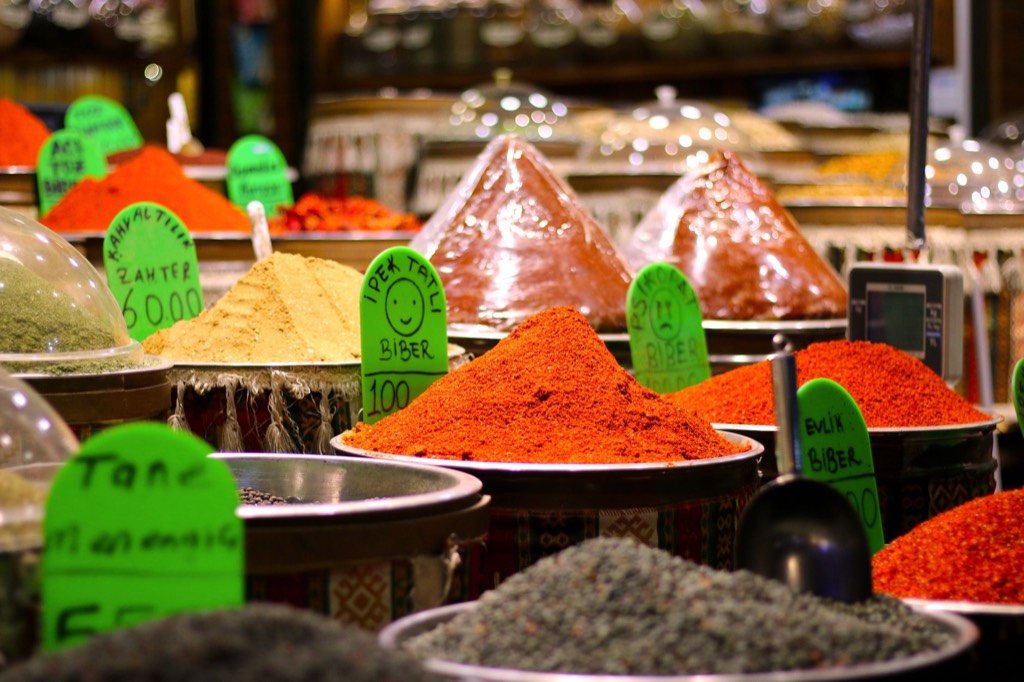
The reason ships sailedPepper, nutmeg, cinnamon, and cloves are cheap afterthoughts on your shelf today. For centuries they were among the most valuable substances on Earth, worth their weight in gold and controlled by a long chain of middlemen between Asia and Europe.
That fortune is what launched the Age of Exploration. Columbus was hunting a westward shortcut to the spice-rich Indies when he blundered into the Americas; Vasco da Gama and Magellan set out for the same prize. The map of the modern world was drawn, in large part, by people chasing the smell of pepper.
Sugar
Sweetness with a brutal costOnce a rare luxury, sugar became an obsession in Europe — and satisfying that craving reshaped two continents. Plantations spread across the Caribbean and Brazil, and their appetite for labor was enormous and unrelenting.
That demand became one of the main engines of the transatlantic slave trade, forcing millions of enslaved Africans across the ocean to cut cane. It’s a hard thing to sit with: the sweetness in a Sunday dessert is tangled up in one of the darkest chapters of the modern age.
The Potato
The tuber that fed millionsWhen the potato arrived in Europe from the Andes, it was met with suspicion. But it grew where grain couldn’t, produced far more calories per acre, and stored well through winter — and once people trusted it, populations boomed. Some historians credit the humble spud with helping fuel Europe’s rise.
That dependence had a terrible flip side. When a blight destroyed the potato crop in the 1840s, Ireland — which had come to rely on it almost completely — suffered a famine that killed roughly a million people and drove a million more to emigrate. A single failed harvest reshaped a nation.
Tea
A cup that sparked revoltsFew drinks have caused as much political trouble as tea. In 1773, American colonists furious over British taxation dumped chests of it into the harbor — the Boston Tea Party — a protest that helped push the colonies toward revolution.
Its reach went further still. Britain’s thirst for Chinese tea created a lopsided trade that it tried to balance by selling opium into China, and the resulting Opium Wars cracked China open to foreign powers. One quiet afternoon drink sat at the center of empires colliding.
The map of the modern world was drawn, in large part, by people chasing the smell of pepper.
Cod
The fish behind the voyagesIt sounds unlikely, but the plain cod helped make long-distance exploration possible. Dried and salted, it kept for months without spoiling, becoming the protein that fed sailors, armies, and whole populations far from any coast.
The rich cod grounds off North America drew European fishermen across the Atlantic early — some historians think before Columbus — and cod later became a cornerstone of New England’s economy and the brutal triangular trade. A great deal of history was powered by a fish most people barely think about.
Corn
The New World's great giftMaize was domesticated in Mexico thousands of years ago and sat at the heart of great civilizations like the Maya and Aztec. When it crossed the Atlantic after 1492, it spread with astonishing speed, feeding people from Africa to China and helping populations grow on nearly every continent.
It’s now one of the most-grown crops on the planet, hiding in everything from livestock feed to soda to fuel. That worldwide reach began with a single grass that Indigenous farmers in the Americas patiently bred into something extraordinary.
Coffee
The drink that fueled ideasAs coffee spread through 17th- and 18th-century Europe, the coffeehouse became something new: a place where people gathered to argue, read the news, and trade ideas over a stimulating drink instead of a numbing one. They were nicknamed “penny universities” for the price of admission.
Those buzzing rooms became hubs of the Enlightenment, where writers, scientists, and merchants swapped thinking that helped shape the modern world. London’s Lloyd’s Coffee House even grew into the famous insurance market. Not bad for a bean.
None of these foods set out to change anything. They were just things people needed, wanted, or couldn’t resist — and that want was enough to move ships, topple governments, and remake continents. The next time you reach for the salt or put the kettle on, remember you’re holding a little piece of history that once ran the world.
Frequently asked questions
Why was salt so valuable in the ancient world?
Before refrigeration, salt was the only reliable way to keep meat and fish from spoiling, which made it a survival tool rather than just a seasoning. Controlling salt meant controlling whether a city could feed itself through winter, so rulers taxed it ruthlessly — France’s hated gabelle even helped stoke the French Revolution. Roman soldiers were paid partly in connection with salt, which is why we still talk about a “salary” and about people being “worth their salt.”
Which foods drove the Age of Exploration?
Spices such as pepper, nutmeg, cinnamon, and cloves were once among the most valuable substances on Earth, worth their weight in gold. The fortune to be made in the spice trade is what launched the great voyages: Columbus was hunting a westward shortcut to the spice-rich Indies when he reached the Americas, and Vasco da Gama and Magellan set out chasing the same prize. Salted cod, which kept for months, also helped make these long voyages possible by feeding the crews.
How did a single crop cause the Irish famine?
The potato grew where grain couldn’t, produced far more calories per acre, and stored well through winter, so populations boomed once people trusted it. Ireland came to rely on it almost completely, which left the country terribly exposed. When a blight destroyed the potato crop in the 1840s, the resulting famine killed roughly a million people and drove a million more to emigrate.
How did tea help spark a revolution?
In 1773, American colonists furious over British taxation dumped chests of tea into Boston Harbor — the Boston Tea Party — a protest that helped push the colonies toward revolution. Tea’s influence reached further still: Britain’s thirst for Chinese tea created a lopsided trade it tried to balance by selling opium into China, triggering the Opium Wars. For a quiet afternoon drink, it sat at the center of empires colliding.
Sources
How much do you remember?
3 quick questions from the story above.
Enjoyed that? Play a full trivia quiz:
Play a History quiz