Some things are so ordinary you never stop to wonder about them. The little tab on the foil box, the extra pocket on your jeans, the hole in the spaghetti spoon — you’ve used them a thousand times without a second thought.
It turns out a lot of these everyday objects have a purpose hiding in plain sight. Here are seven you’ve probably been using wrong — or at least not quite right — for years.
The Arrow by Your Fuel Gauge
Which side is the tank?
You pull up to an unfamiliar pump and you’re never quite sure which side your gas tank is on. The answer has been on your dashboard the whole time: there’s a tiny arrow next to the little pump icon, and it points to the side your tank is on.
If you’ve ever stopped at the wrong side and had to stretch the hose across the car, this one’s for you. It has been standard on most cars since the 1980s.
The Tiny Jeans Pocket
Not for coins
That little pocket tucked inside the right front pocket of your jeans was never really meant for coins or a lighter. Levi Strauss added it back in the 1870s as a watch pocket — a snug home for a gentleman’s pocket watch.
The watches are long gone, but the pocket stayed — because that’s how these things go. Now it mostly holds nothing at all.
The Hole in the Spaghetti Spoon
A single serving
The hole in the middle of a spaghetti spoon does more than let the steam out. Push a bundle of dry spaghetti through it, loosely, and you’ve got roughly one serving — a built-in portion guide for one.
It isn’t exact — pack it in tight and you’ll cook too much — but it’s close enough to save you from a mountain of leftovers. And yes, it helps drain the water too.
The Tabs on the Foil Box
Press here to lock
If your roll of aluminum foil or plastic wrap keeps popping out of the box every time you tear a sheet, look at the two short ends. There are little perforated tabs — usually stamped “press here to lock” — that push in and hold the roll in place.
They’ve been there for decades and almost nobody uses them. Push them in once and you’ll wonder how you got by without it.
The instructions were there all along. They just never came with a manual.
The Hole in the Pen Cap
A quiet safety feature
That small hole in the top of a ballpoint pen cap isn’t there to help the ink flow. It’s a safety feature: if someone accidentally swallows a cap, the hole lets air pass through so they can still breathe.
Bic and other makers adopted it years ago after choking incidents. A tiny hole, quietly doing an important job.
The Dimple in a Wine Bottle
It's called the punt
Turn a wine bottle over and you’ll find that deep dimple pushed up into the base. It’s called the punt, and it goes back to the days of hand-blown glass, when it helped the bottle stand up straight without a wobble.
Today it adds a little strength, gathers sediment, and gives a pouring waiter a confident thumb-hold. What it doesn’t do is tell you a thing about how good the wine is.
The “57” on the Heinz Bottle
Tap right here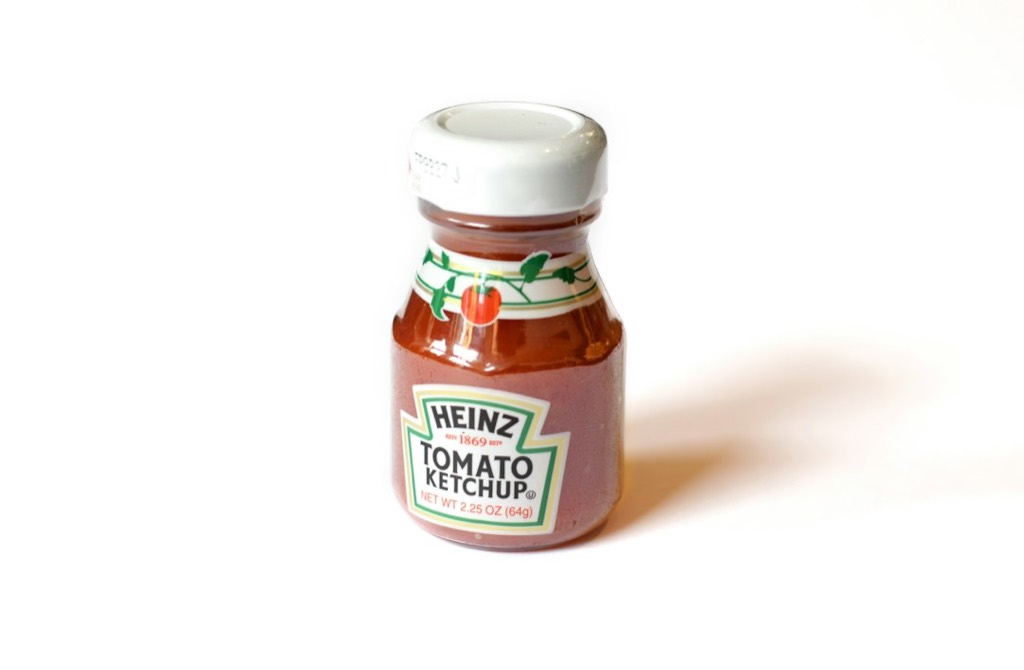
Getting ketchup out of a glass Heinz bottle is a test of patience — unless you know the trick. There’s a raised “57” near the neck of the bottle, and Heinz says a firm tap right on it gets the ketchup moving.
Whacking the bottom, it turns out, does almost nothing. Tap the 57 instead, and dinner shows up a little sooner.
None of this is life-changing, exactly. But there’s a small, quiet satisfaction in finally using something the way it was meant to be used — especially after all these years.