Sunday used to have a shape to it. Not a schedule exactly — more a rhythm everyone in the house just knew, the way you know the creak of your own stairs. You woke a little slower, you dressed a little better, and by afternoon the whole day seemed to slow to the speed of a family that had nowhere else to be.
If you grew up in the 1950s or ’60s, you lived inside these rituals without ever calling them that. Here are ten of them — and if your chest tightens a little reading them, well, that’s rather the point.
Church in the Morning
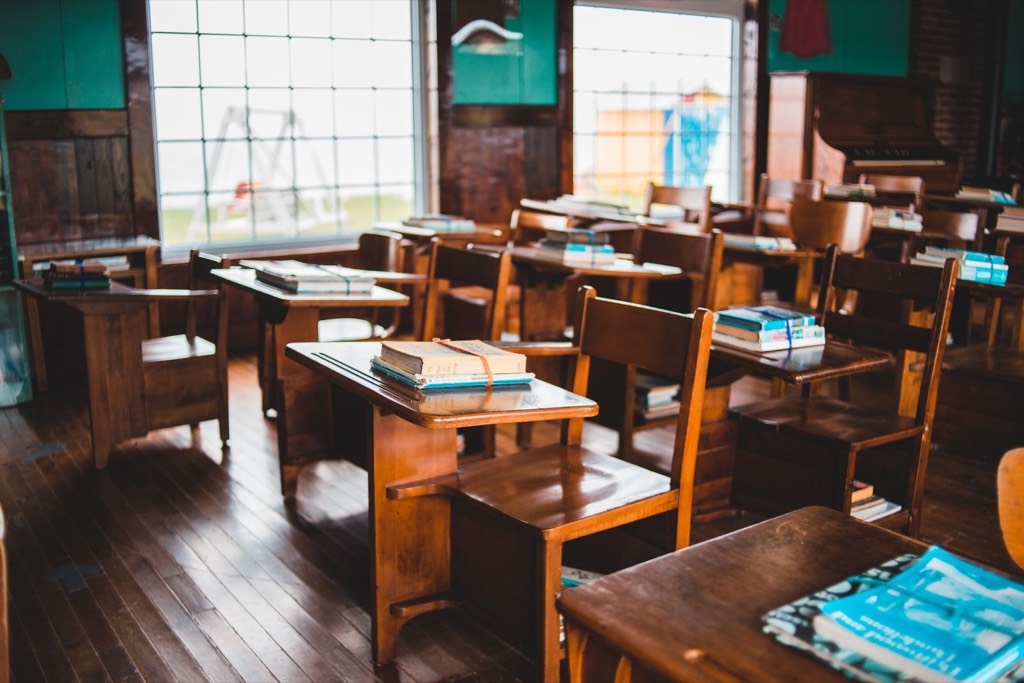
Everybody wentThe day started at church, and pretty near everyone you knew was there. You filed into the same pew your family always sat in, sang the hymns you didn’t need the book for, and afterward the grown-ups stood around on the steps talking while the kids fidgeted and pulled at their collars.
It wasn’t only about faith, though it was that too. It was where the whole neighborhood turned up in one place once a week — who was ailing, who had a new baby, who you’d better go say hello to. You left knowing more about your town than any newspaper could tell you.
Sunday Best
The good clothesThere was a whole category of clothing that only came out on Sundays. The good dress, the pressed shirt, the shoes you weren’t allowed to scuff. Your mother inspected you at the door, licked her thumb, and went at a cowlick or a smudge before you were permitted into the world.
Nobody dressed up like that for an ordinary errand. But Sunday asked something of you, and putting on your best was how you answered. The minute you got home, of course, you were told to change out of them before you ruined anything.
The Big Midday Dinner
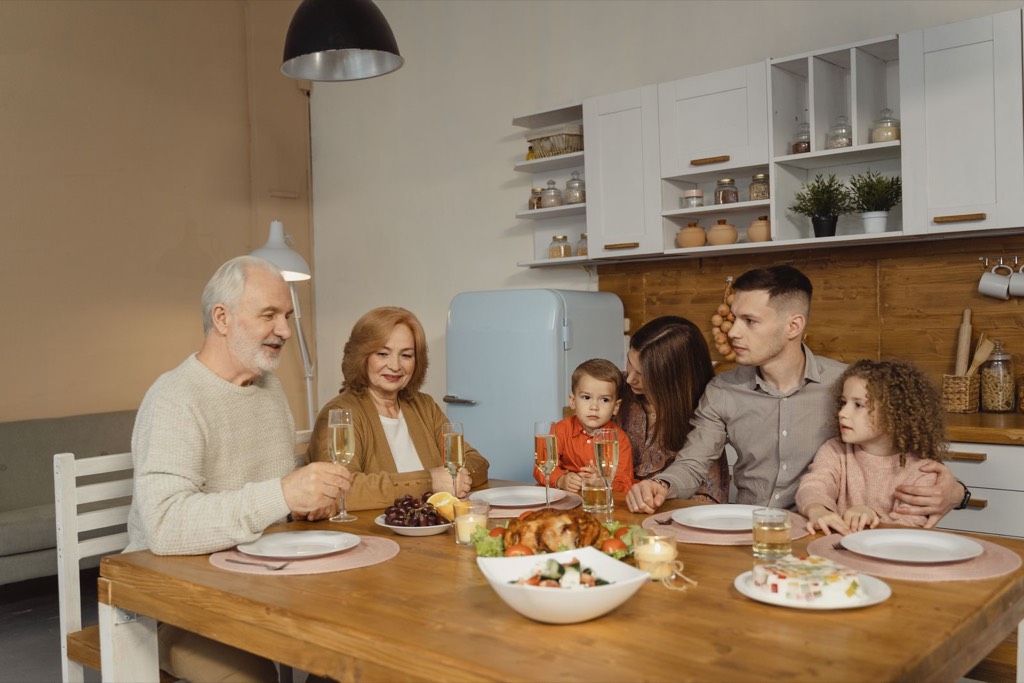
Dinner at noonThe main meal came in the early afternoon, not the evening, and it was the biggest of the week. It had been building all morning — your mother, or your grandmother, working in a warm kitchen while the rest of the house drifted around the smell of it.
Everyone sat down together, which was not something that could be counted on the other six days. The table was fuller, the meal ran longer, and nobody jumped up the second they were done. That was the whole idea.
The Sunday Roast
Pot roast and gravyAnd what a dinner it was. A roast or a pot roast, potatoes, a vegetable somebody made you eat, and gravy over most of it. If your family did a chicken, it went in early enough that the smell was in every room by the time you got back from church.
Half the pleasure came later. Sunday’s roast was Monday’s sandwiches and Tuesday’s hash — a good cut of meat was meant to stretch. You can buy any of those foods any day of the week now, and somehow it never tastes the way that afternoon did.
The Fat Sunday Paper
And the funny pagesThe Sunday paper landed with a thump you could hear from the porch, three times the size of a weekday edition. The grown-ups spread it across the whole table and traded sections back and forth, and the coffee got a second and third pour.
The kids only wanted one thing: the funnies, printed in color just that day of the week. You read them flat on the living room floor, and if you had a brother or sister you had a fight about who got them first.
Nobody thought to be grateful for it. It was just Sunday, and Sunday would always come around again.
Everything Closed
Blue lawsYou couldn’t run to the store on a Sunday, because the store wasn’t open. In most towns the blue laws saw to it — shops shuttered, downtown quiet, the whole commercial world simply switched off for a day. If you forgot to buy something Saturday, you did without.
It sounds like an inconvenience, and sometimes it was. But it also meant nobody expected you to be anywhere. There was nothing to shop for and nowhere to rush, and a day with nothing open turns out to be a day you spend with the people in your own house.
The Sunday Drive
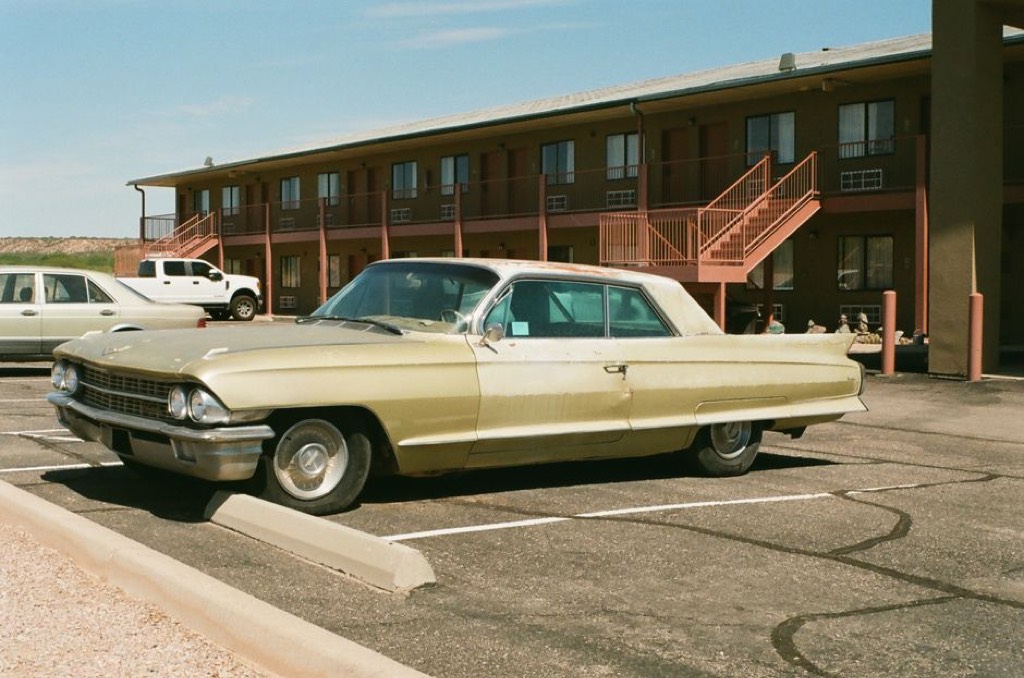
No place in particularAfter dinner, somebody would say let’s go for a drive, and you’d all pile into the car with no destination at all. You just went — out past the edge of town, down roads to see how the corn was coming or whose barn had been painted, windows down if the weather allowed.
Gas was cheap and the point wasn’t to arrive anywhere. Maybe you stopped for ice cream, maybe you didn’t. The drive was the thing — an hour of going nowhere together, which no one thought to call quality time because that phrase hadn’t been invented yet.
The Long-Distance Call
Rates go down on SundayLong distance cost real money, so the call to relatives waited for Sunday, when the rates dropped. It came at the same hour every week, and the whole family took a turn on the receiver — even the kids, who never knew what to say to an aunt three states away.
You kept it short because the meter was running, and that made every word count a little. “We’re all fine. How’s your mother? Here, talk to your grandmother.” Then you hung up and felt, for a few minutes, like the family was all in one room after all.
Sunday-Night Television
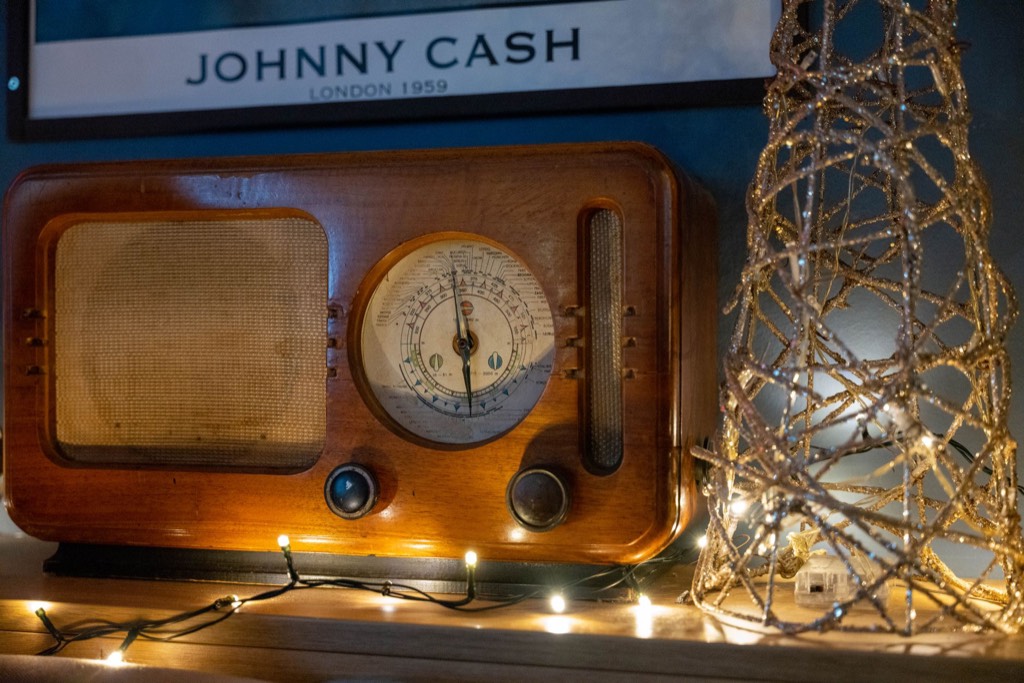
Ed Sullivan and DisneyThe week ended in front of the television, all of you in the same room because there was only the one set. Sunday night meant Ed Sullivan and his parade of acrobats and crooners, or the Wonderful World of Disney, which everyone under twelve waited for all week.
You watched what was on when it was on — no recording it, no watching later, no arguing over the remote because there wasn’t one. When the Beatles turned up on Sullivan’s stage, half the country was watching the same screen at the same moment. It was, in its way, the last thing that could still do that.
Homework at the Kitchen Table
Sunday evening dreadAnd then it caught up with you. Somewhere in the evening came the sinking remembrance of the book report you’d been ignoring since Friday, and you’d end up at the kitchen table with your pencil and that particular Sunday-night gloom.
Your mother did the same math at the same table, paying the bills and making the grocery list. It was the day quietly turning itself back toward Monday — the last easy hours before the alarm clock and the school bell took over again.
You couldn’t do any of it now if you tried. The stores are open, the paper’s a shadow of itself, and the family’s scattered across the country and a dozen screens. But maybe once in a while, on a slow Sunday afternoon, you catch the smell of something roasting and it all comes back — and for a moment you’re a kid again, told to change out of your good clothes before dinner.
Sources
How much do you remember?
3 quick questions from the story above.
Enjoyed that? Play a full trivia quiz:
Play a General quiz