If you came of age in the 1960s, none of this felt like history at the time. It was just Tuesday. Milk showed up on the porch, you licked a few stamps at the checkout, and the television eventually put itself to bed for the night.
Then, one by one, these ordinary things slipped away. Here are ten of them — and if you remember even half, you had a front-row seat to a world that has almost entirely gone.
Home Milk Delivery
The milkmanFresh milk arrived at the door in glass bottles, tucked into an insulated box on the porch before you were even awake. If you grew up with a milkman, you can probably still hear the clink of the bottles and his truck idling out in the street.
Better home refrigerators, cheaper milk at the supermarket, and busier households slowly made the daily route pointless. In the early ’60s about a third of American families still had milk delivered; today it is a rounding error.
S&H Green Stamps
Lick, stick, redeemYou collected Green Stamps at the grocery store and the gas station, then licked them and pressed them into little booklets at the kitchen table — usually roping the kids in to help. A few full books got you a toaster or a lamp from the catalog.
They were everywhere. During the 1960s S&H handed out more stamps than the U.S. Postal Service, and its 1964 catalog was the most widely distributed publication in the country. Discount stores eventually made the whole ritual feel like more trouble than it was worth.
The Nightly TV Sign-Off
Please stand byTelevision did not run all night. Sometime after midnight the station played the national anthem, said goodnight, and left you with the test pattern and a steady tone. If you were still up for that, you knew it was time to give up and go to bed.
Late-night shows, cable, and 24-hour broadcasting quietly ended the ritual. By the 1990s the screen never really went dark.
Phone Booths and Pay Phones
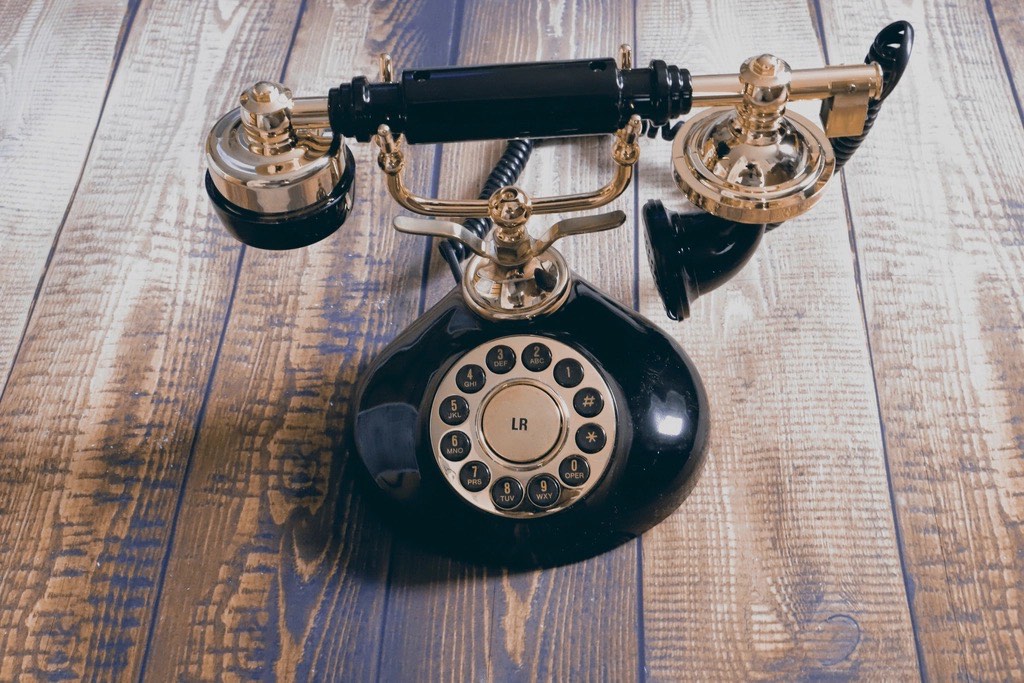
Have a dime?A glass booth on the corner was how you called home when you were running late. You kept a dime in your pocket for it — and if you were a kid, you almost certainly prank-called a friend from one at least once.
The cell phone erased the need almost overnight. Pay phones numbered around two million in the late 1990s and have all but disappeared since.
Full-Service Gas Stations
Fill 'er upYou pulled in, stayed put, and someone came out to pump the gas, check the oil, and wipe down the windshield while you sat there. Pumping your own gas would have seemed odd, and in a lot of places it wasn’t even allowed.
The gas crunches of the 1970s made cheaper self-serve pumps hard to resist, and drivers never looked back. Today New Jersey is the last state that still bans self-service.
Nobody saved any of it, because it never occurred to us that it would go.
Door-to-Door Encyclopedia Salesmen
Knowledge on installmentA salesman in a good suit would knock, sit down at your kitchen table, and explain that a set of World Book or Britannica — paid off a little each month — was an investment in your children. Plenty of families said yes.
If you had a set, you probably also remember how heavy the books were, and being told never to write in them. Then the internet came along and a whole shelf of matching spines quietly turned into decoration. Britannica printed its last bound edition in 2012.
Tube Testers at the Drugstore
Fix it yourselfWhen the TV picture went fuzzy, you didn’t call anyone. You pulled the tubes out of the back of the set, carried them to the drugstore, and plugged them into the self-service tester by the door. A drawer underneath sold the replacements.
Transistors and sealed electronics put an end to all that. The testers were gone from store entrances by the mid-1970s — and so was the idea that you could fix the television yourself.
Telephone Party Lines
Who's on the line?Lots of homes shared a single phone line with the neighbors to save a few dollars. A special ring told you the call was yours, and if someone down the street was already talking, you just had to wait your turn.
There was no privacy at all — anyone could lift the receiver and listen in, and plenty did. It was part nuisance, part neighborhood gossip channel, until cheaper private service finally did away with it.
Cigarette Vending Machines
A pack from a slotCigarettes came out of coin machines in restaurants, bowling alleys, and hotel lobbies. No ID, no questions — you dropped in your coins, pulled the knob, and out slid a pack. A kid could buy them about as easily as a candy bar.
Once the health warnings piled up and the law moved to keep tobacco away from minors, the machines were pulled through the 1990s.
The Drugstore Soda Fountain
Meet me at the counterThe corner drugstore had a lunch counter where the “soda jerk” mixed cherry Cokes and malts to order. It was where you went after school, where you had a first date, where the neighborhood caught up on itself.
Fast food and big chain pharmacies slowly squeezed them out. A few survive as beloved throwbacks, but the everyday soda counter is gone.
A few of these we don’t really miss. Others you’d give a lot to have back for one afternoon. Either way, none of it felt remarkable while it was here — which, come to think of it, is usually how these things go.
Sources
How much do you remember?
3 quick questions from the story above.
Enjoyed that? Play a full trivia quiz:
Play a General quiz