We see these landmarks so often — on postcards, in the background of the news, in our own vacation photos — that we stop asking the obvious questions about them. Why is the White House white? Why did the Statue of Liberty turn green? Here are seven famous landmarks and the answers hiding behind them.
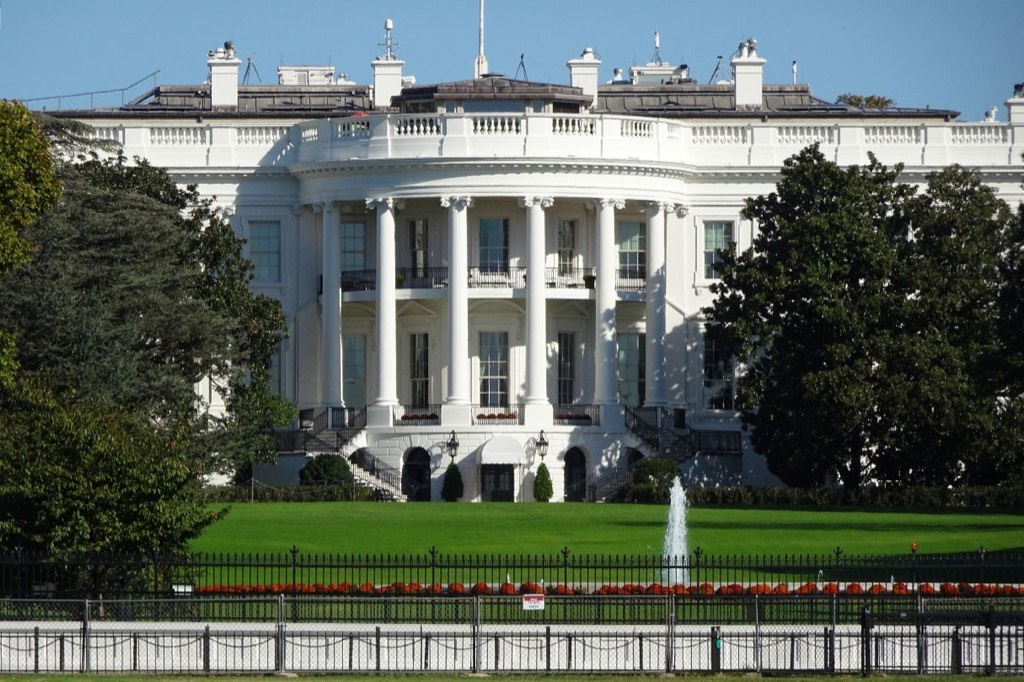
Why the White House Is White
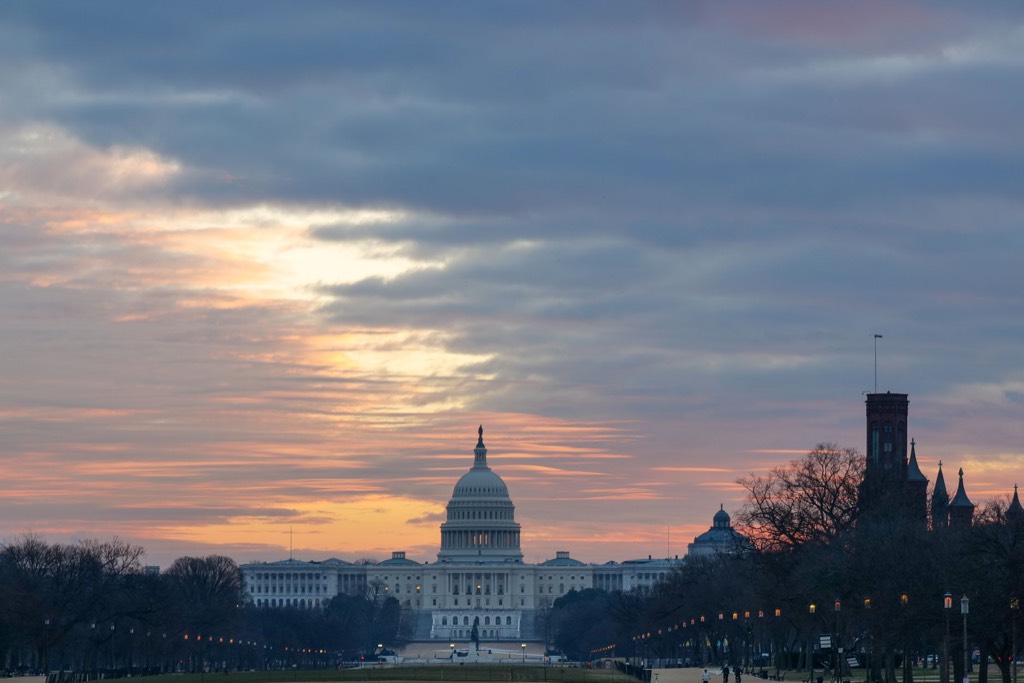
And it's not the fireYou may have heard that the White House was painted white to cover the scorch marks after the British burned it in 1814. It’s a good story, but it’s not true — the building was already white long before that.
The walls are a soft, porous sandstone, and back in 1798 workers coated them with a lime-based whitewash to seal the stone against the weather. White paint came later. People called it the “White House” for years before Theodore Roosevelt made the name official in 1901.
Why the Statue of Liberty Is Green
She used to be brownLady Liberty is covered in copper, and when she was unveiled in 1886 she was the shiny, reddish-brown color of a new penny. She didn’t stay that way.
Over about thirty years, the copper reacted with the air and formed a thin green coating called a patina. Far from damaging her, that green layer actually protects the metal underneath — so there was never any real reason to polish it off.
Why the Tower of Pisa Leans
It was doomed from the startThe famous lean isn’t a design choice or the result of an earthquake. The builders simply picked a bad spot — soft, marshy ground that couldn’t bear the weight evenly.
The tower started tilting while it was still being built in the 1170s, and workers even tried to correct it by curving the upper floors. Modern engineers have since stabilized it, so the famous tilt should stay put for a long time yet.
Why “Big Ben” Isn’t the Tower
It's the bellAlmost everyone points at that famous London clock tower and calls it Big Ben. Technically, that’s the wrong name — Big Ben is the enormous bell that hangs inside and rings the hours.
The tower itself was simply “the Clock Tower” for most of its life. In 2012 it was renamed the Elizabeth Tower in honor of Queen Elizabeth II. But good luck getting anyone to stop saying Big Ben.
The tower started tilting while it was still being built — and never stopped.
Why the Hollywood Sign Once Said “Hollywoodland”
It was an advertisementThat iconic sign in the hills wasn’t put up to celebrate the movie business. It went up in 1923 as a giant billboard for a housing development called “Hollywoodland,” and it was only ever meant to last a year or so.
It stuck around, fell into disrepair, and in the 1940s the last four letters were removed. What was left — HOLLYWOOD — became the symbol of an entire industry, by accident.
Why the Eiffel Tower Gets Taller in Summer
Heat stretches itHere’s a strange one: the Eiffel Tower is measurably taller on a hot day than a cold one. Metal expands when it heats up, and there’s a lot of metal in that tower.
On a warm summer day it can grow by around six inches, then shrink back as it cools. It can even lean slightly away from the sun as one side warms faster than the other. The whole thing is quietly breathing with the weather.
Why You Can’t See the Great Wall From Space
A myth that won't dieGenerations of schoolchildren were told the Great Wall of China is the only man-made object visible from space. It’s a lovely fact, and it’s simply false.
The wall is enormously long but only a few feet wide, which makes it nearly impossible to pick out with the naked eye from orbit. Astronauts have said as much for years — you can spot city lights and airport runways far more easily than that ancient wall.
None of these change the view, exactly. But there’s something satisfying about knowing the story behind the postcard — that the green statue was once brown, that the world-famous sign was a real-estate pitch, and that a few of the “facts” we all learned simply aren’t so.
Frequently asked questions
Why is the White House white?
Not to cover the scorch marks from the British burning it in 1814 — it was already white before that. The porous sandstone walls were coated with a lime-based whitewash in 1798 to seal them against the weather; white paint came later. The name became official under Theodore Roosevelt in 1901.
Why did the Statue of Liberty turn green?
She is made of copper and was a shiny reddish-brown when unveiled in 1886. Over about thirty years the copper reacted with the air to form a green coating called a patina — which actually protects the metal underneath, so there was never a reason to remove it.
Why is the Leaning Tower of Pisa leaning?
The builders simply chose a bad spot — soft, marshy ground that could not bear the weight evenly. It began tilting while it was still being built in the 1170s, and modern engineers have since stabilized it. If you like landmarks with a backstory, see the Seven Wonders of the Ancient World and what became of them.
Is Big Ben the tower or the bell?
Technically the bell. The structure was simply "the Clock Tower" for most of its life and was renamed the Elizabeth Tower in 2012, in honor of Queen Elizabeth II — though good luck getting anyone to stop saying Big Ben.
Sources
How much do you remember?
3 quick questions from the story above.
Enjoyed that? Play a full trivia quiz:
Play a Geography quiz