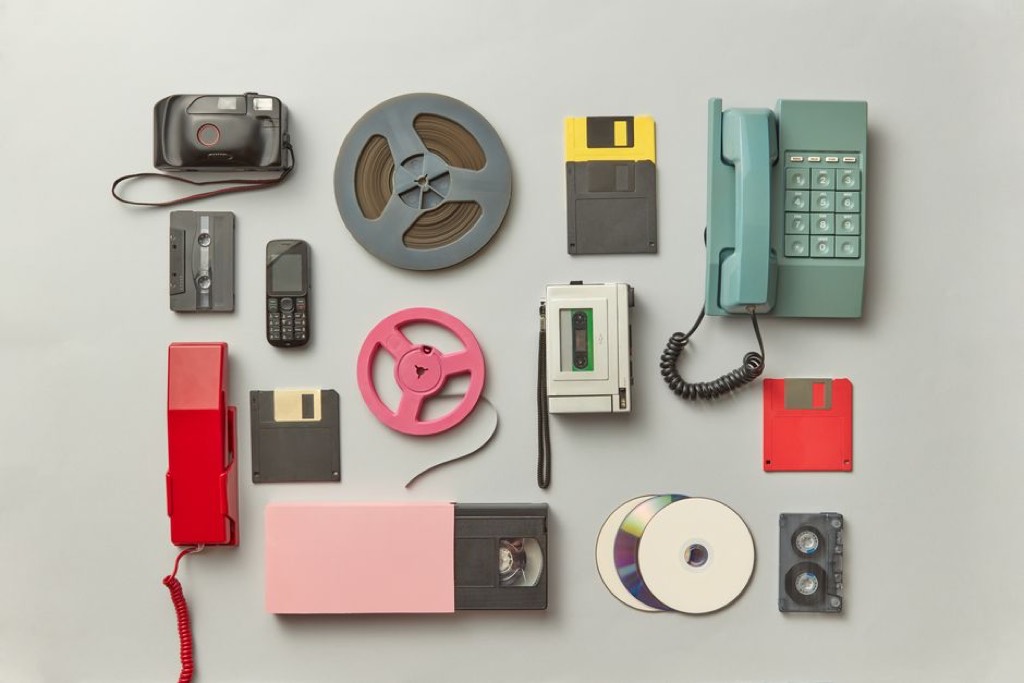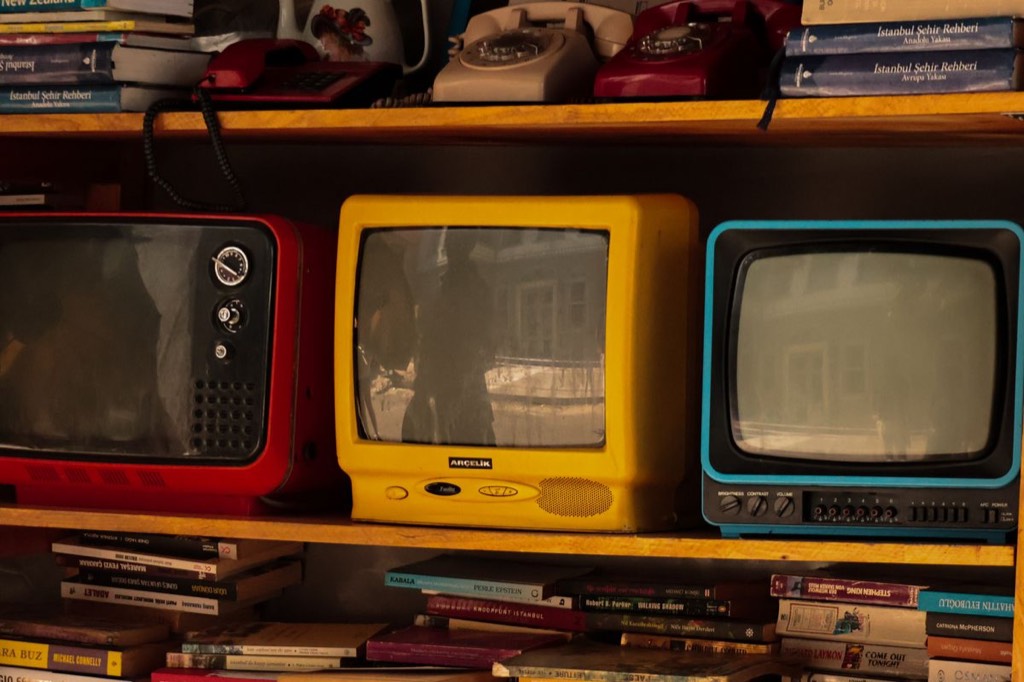
Look around the room you’re in and pick almost any ordinary object — the clock on the wall, the keyboard under your fingers, the pencil in the drawer. You use these things without a flicker of thought, which is exactly the point. Good design disappears. But every one of them was shaped by some decision made long ago, and the reasons are stranger and more human than you’d guess.
Some of these answers are settled fact. A few are still argued over by people who care a great deal. Here are eight everyday designs — and the surprising, sometimes disputed, reasons they turned out the way they did.
Why Clocks Run Clockwise
Blame the sundialClockwise isn’t a law of nature — it’s a habit we inherited from the sun. The first widely used timekeepers were sundials, and in the Northern Hemisphere, where clockmaking took hold, the shadow cast by a sundial’s pointer sweeps from left to right across the top as the day goes on.
When mechanical clocks arrived in medieval Europe, their makers simply copied the direction people already trusted. Had the clock been invented in the Southern Hemisphere, where sundial shadows turn the other way, “clockwise” might well mean the opposite. It’s one of history’s great accidents of geography.
Why Keyboards Say QWERTY
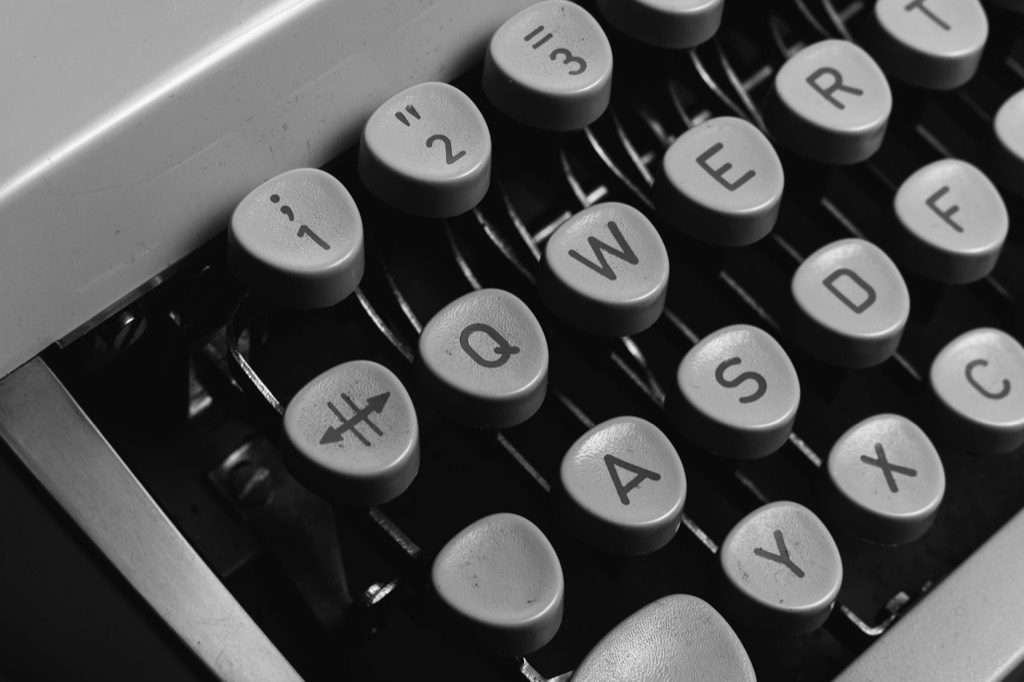
A jam, not a plotThe scrambled layout of your keyboard dates to the 1870s and the typewriters of Christopher Latham Sholes. The popular story is that QWERTY was designed to slow typists down so the machine’s metal typebars wouldn’t clash and jam. The truth is a little more nuanced: the goal was to separate letters that were often struck in quick succession, so their bars swung in from different angles and were less likely to collide.
Whatever the exact reasoning, the layout stuck once typists had trained their fingers on it and the Remington company sold the machines by the thousands. Genuinely faster layouts have been proposed since, but none has ever dislodged the tangle of habit. You’re using a solution to a mechanical problem that hasn’t existed for a century.
Why Traffic Lights Are Red, Yellow and Green
Borrowed from the railwaysThe colors on the signal at the corner came straight off the railways, which had already spent decades working out how to stop trains safely. Red was the natural choice for “stop” — it has the longest wavelength of visible light, so it scatters least in fog and rain and can be seen from farther away. Green, once used by railways to mean caution, was eventually settled on for “go.”
Yellow slipped in between as a warning. It’s highly visible and clearly distinct from the other two, which mattered enormously before anyone worried about colorblind drivers. The first electric traffic signal lit up in Cleveland in 1914, and the three-color rhythm we all obey today was essentially locked in a railway-signal tradition that predated the car.
Why We Drive on the Left or the Right
Swords, wagons and NapoleonWhich side of the road you drive on is a fossil of the pre-car world, and here the history gets genuinely murky. One popular account holds that people once kept to the left so a right-handed rider could keep his sword arm toward oncoming strangers — which is why Britain and much of its former empire still drive on the left.
The shift to the right is often tied to large freight wagons in France and America, where a driver sitting on the left rear horse preferred to keep to the right to judge passing traffic — and, the story goes, to Napoleon spreading right-hand travel across the lands he conquered. Historians treat some of these tidy explanations with caution, but the split they left behind is very real: today about a third of the world drives on the left.
Good design disappears. You use these things without a flicker of thought — which is exactly the point.
Why Phone Keypads and Calculators Disagree
1 on top, or on the bottom?Here’s one you can test right now. On a telephone keypad, the numbers count downward: 1, 2, 3 sit along the top. On a calculator or computer number pad, they count upward: 7, 8, 9 are on top and 1, 2, 3 near the bottom. Two everyday grids, mirror images of each other.
Calculators inherited their layout from adding machines, whose keys had long been arranged with the low digits at the bottom. When Bell Labs designed the push-button phone in the early 1960s, its researchers tested various layouts and went with 1-2-3 on top — one popular theory is that it read more naturally to people used to left-to-right, top-to-bottom text, and helped folks accustomed to rotary dials. The two industries never reconciled, and we’ve been living with the mismatch ever since.
Why Airplane Windows Are Round
A lesson written in tragedyThe gentle ovals beside your seat are not a styling choice — they are a hard-won safety feature. The world’s first commercial jetliner, the de Havilland Comet, entered service in the 1950s with fashionable square windows. Within a couple of years, two of them broke apart in mid-air with terrible loss of life.
Investigators found the culprit in the corners. A square window concentrates the stress of a pressurized cabin at its sharp angles, where tiny cracks began and spread until the fuselage tore open. A rounded window has no such weak point; the stress flows smoothly around the curve. Every airliner window since has been rounded, a quiet memorial to the accidents that taught the lesson.
Why the “Close Door” Button Often Does Nothing
The illusion of controlYou’ve jabbed it a hundred times, and you may have suspected the truth: in many elevators, the “close door” button isn’t wired to do anything at all. In the United States, disability-access laws passed in the 1990s require doors to stay open long enough for someone with limited mobility to enter, and that timing overrides your impatient thumb.
So why keep the button? Partly because firefighters and technicians can use it in special modes, and partly because pressing it makes people feel better. Psychologists call these “placebo buttons” — controls that give a comforting sense of agency even when they change nothing. The doors were always going to close on their own schedule.
Why Your Fuel Gauge Has a Little Arrow
Which side is the tank on?Next to the pump icon on your dashboard, there’s usually a small triangle pointing left or right. It’s not decoration. That arrow tells you which side of the car the fuel filler is on, so you never have to crane your neck or guess wrong at a busy gas station.
The clever little touch became common on dashboards from the 1980s onward, and most drivers went years without noticing it. Once you know it’s there, though, you’ll never pull up to the wrong side of the pump again. It’s a perfect example of thoughtful design hiding in plain sight — solving a small, universal annoyance without a word of instruction.
What connects all of these is how invisible they’ve become. A sundial’s shadow, a jammed typewriter, a railway signal, a plane that came apart in the sky — each left a fingerprint on something you touch every day and never question. The reasons aren’t always tidy, and honest history leaves a few of them open to debate. But that’s part of the pleasure: the ordinary world is quietly full of stories, if you’re curious enough to ask why.
Frequently asked questions
Why do clocks run clockwise?
Clockwise motion was inherited from the sundial, not from any law of nature. In the Northern Hemisphere, where mechanical clockmaking took hold, a sundial’s shadow sweeps from left to right across the top as the day passes, and early clockmakers simply copied the direction people already trusted. Had the clock been invented in the Southern Hemisphere, where sundial shadows turn the other way, “clockwise” might have meant the opposite.
Why is the QWERTY keyboard laid out that way?
The scrambled layout dates to the 1870s typewriters of Christopher Latham Sholes. Rather than simply slowing typists down, the goal was to separate letters often struck in quick succession so their metal typebars swung in from different angles and were less likely to jam. The layout stuck once typists trained their fingers on it — a bit like the other everyday habits and inventions we still rely on long after their original reason faded, as with these ancient Roman inventions we still use every day.
Why are airplane windows round instead of square?
Rounded windows are a hard-won safety feature, not a styling choice. The de Havilland Comet, the first commercial jetliner, flew in the 1950s with square windows, and two broke apart in mid-air because sharp corners concentrated the stress of a pressurized cabin until cracks spread and the fuselage tore open. A curved window has no such weak point, so the stress flows smoothly around it, and every airliner window since has been rounded.
Why does the “close door” button in elevators often do nothing?
In many elevators the button genuinely isn’t wired to close the doors faster. In the United States, disability-access laws passed in the 1990s require doors to stay open long enough for someone with limited mobility to enter, and that timing overrides your thumb. The button is kept partly for firefighters and technicians in special modes, and partly because pressing it feels reassuring — psychologists call these “placebo buttons.”
Sources
How much do you remember?
3 quick questions from the story above.
Enjoyed that? Play a full trivia quiz:
Play a General quiz