There was a time when good manners weren’t fussy or old-fashioned — they were just how you got through the day without stepping on anyone. Nobody thought of it as etiquette. It was simply the water you swam in, taught by a mother’s raised eyebrow or a father’s quiet word on the way out the door.
Somewhere along the way, a lot of those small courtesies slipped out of everyday life. Here are nine of them — little kindnesses that once said “I was raised right,” and that you almost never see anymore.
The Handwritten Thank-You Note
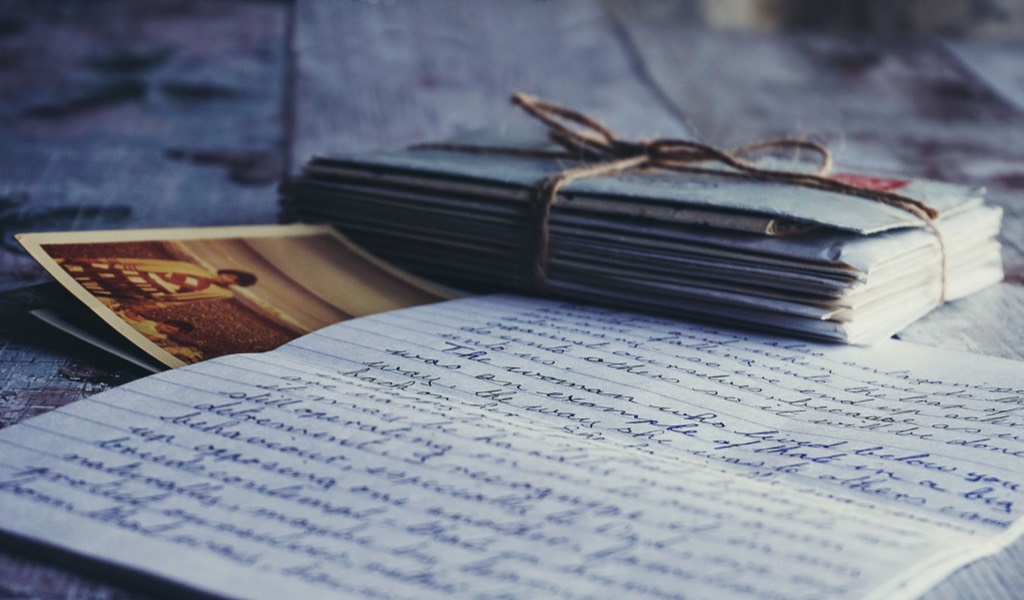
Pen, paper, a stampAfter a birthday, a wedding gift, or a Sunday dinner at someone’s home, you sat down and wrote a note. Not a text, not a quick call — a real card, in your own handwriting, dropped in the mailbox within a few days. It didn’t have to be long. It just had to be sincere.
The etiquette folks still swear by it, and for good reason: a note you can hold means someone stopped what they were doing and thought about you. If you ever kept a shoebox of the ones you received, you already know why they mattered.
Standing When Someone Enters
On your feetA man rose when a woman came to the table, and everyone stood a little straighter when an older relative walked into the room. It wasn’t about who outranked whom. It was a small, wordless way of saying, “I see you, and you matter.”
The gesture has faded, and some of the reasons behind it have rightly changed. But the impulse underneath — to greet a person’s arrival with a little effort — still lands whenever anyone bothers to do it.
Giving Up Your Seat
Please, take mineOn a crowded bus or streetcar, you stood up for an older passenger, a mother with a baby, or anyone who looked like they’d had a long day. You didn’t wait to be asked. You just caught their eye, stood, and nodded them into the seat.
Anyone who rides public transit now will tell you it still happens — just not the way it used to, when a whole row might rise at once. It cost nothing then, and it costs nothing now.
Actually Answering the Invitation
R.S.V.P.Those four little letters at the bottom of an invitation once meant something. You wrote back — yes or no — so the host knew how many chairs to set out and how much ham to buy. Leaving someone hanging was simply not done.
Now a host is lucky to hear back at all, and often finds out who’s coming when they walk through the door. If you’ve ever cooked for twelve and had six show up, you understand the small ache of an unanswered R.S.V.P.
Walking on the Street Side
Curbside dutyA gentleman walked on the outside of the sidewalk, nearest the street, so that his companion was shielded from splashing puddles, runaway carriages, and later, passing cars. It was a quiet bit of choreography, done without a word.
Almost nobody thinks of it today, and the carriages are long gone. But watch closely and you’ll still spot someone from the old school gently steering to the curb side — a habit worn so deep they don’t even notice.
Nobody called it etiquette. It was simply the water you swam in — taught by a raised eyebrow and a quiet word on the way out the door.
Hats Off Indoors
Bare your headA man took his hat off the moment he stepped inside — a restaurant, a church, a friend’s front hall — and certainly during the national anthem. Fathers reminded sons, and the rule was as automatic as wiping your feet on the mat.
Hats themselves mostly went out of daily fashion, so the rule quietly went with them. But an older man who still sweeps his cap off at the door is telling you exactly where and when he learned his manners.
Calling Before You Dropped By
Ring firstYou didn’t just turn up on someone’s doorstep. You telephoned first — or, further back, sent a card ahead — to make sure the visit was welcome and the house was in order. Arriving unannounced was considered a genuine imposition.
Between texting and busy calendars, the whole idea of the casual pop-in has nearly vanished on its own. Which is a shame, in a way — there was a warmth in a neighbor who’d call and say, “Mind if I come over for a cup of coffee?”
Dressing Up to Travel
Sunday best on the tarmacFlying somewhere, or even taking the train, was an occasion. Men wore jackets and ties, women wore dresses and good shoes, and children were scrubbed and warned to behave. You dressed with respect for the trip and the people you’d meet at the other end.
Air travel became ordinary, and comfort won out over ceremony — pajamas and slippers at 30,000 feet are no longer a shock. If you’ve got a photo of yourself boarding a plane in a hat and gloves, hang on to it.
Minding Your Table Manners
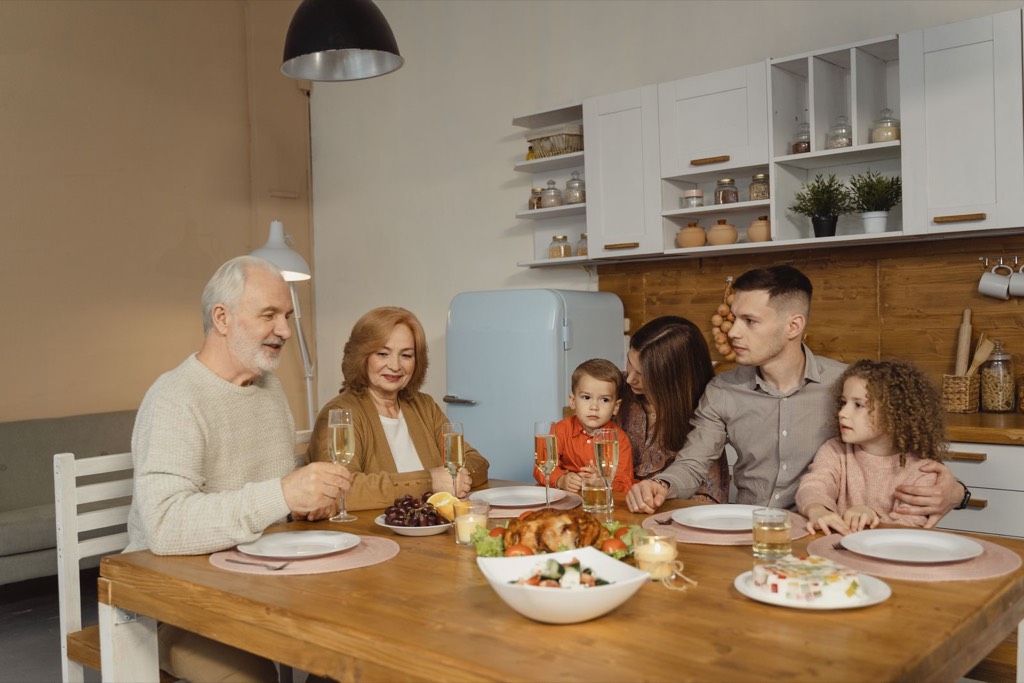
Elbows off, napkin downElbows stayed off the table, the napkin went in your lap, and you waited until everyone was served before lifting a fork. You said “please pass the potatoes” and asked to be excused. A shared meal had its own quiet rules, and children learned them one correction at a time.
With screens at the table and dinner so often eaten on the run, those rituals have loosened. But the reason for them never changed: they were a way of showing the people across the table that the time together was worth a little care.
Not every one of these needs to come back exactly as it was, and a few carried assumptions we’re better off without. But strip away the formality and what’s left is simple enough: pay attention, take a little trouble, treat the people around you as if they matter. That never really goes out of style — even when the hats and the letter paper do.
Sources
How much do you remember?
3 quick questions from the story above.
Enjoyed that? Play a full trivia quiz:
Play a General quiz