Rome fell more than fifteen hundred years ago, and yet you can hardly get through a day without borrowing something the Romans figured out first. The calendar on your wall, the road under your car, the pages of the book on your nightstand — all of it carries their fingerprints.
Not everything here was strictly a Roman invention; they were shameless borrowers who took clever ideas from the Greeks, Etruscans, and Egyptians and then engineered them to a scale nobody had managed before. Here are nine of them you still use, one way or another, every single day.
Concrete
The stuff that outlasted an empireThe Romans didn’t invent building with lime mortar, but they perfected a recipe the world then forgot for a thousand years. Their secret was a volcanic ash called pozzolana, mixed with lime and seawater, which set into something astonishingly durable — durable enough that the Pantheon’s unreinforced dome has stood in Rome since roughly the year 126.
Here’s the part that still amazes engineers: their concrete actually got stronger over time. Modern research suggests little lumps of unmixed lime in the mix would crack, react with water, and reseal the gaps — a self-healing trick our own concrete can’t match. Every sidewalk you walk on is a distant cousin of theirs.
Roads
All of them led somewhereAt its height the empire was laced with more than 250,000 miles of roads, some 50,000 of them properly paved. They were built in careful layers — a dug foundation, packed stone, gravel, then fitted paving slabs — and crowned in the middle so rainwater ran off to drainage ditches on either side.
That basic idea, a layered and drained roadbed, is still how a good road is built today. Some Roman routes are so well-sited that modern highways simply run right on top of them. When you hear that all roads lead to Rome, it was once very nearly true.
Aqueducts and Running Water
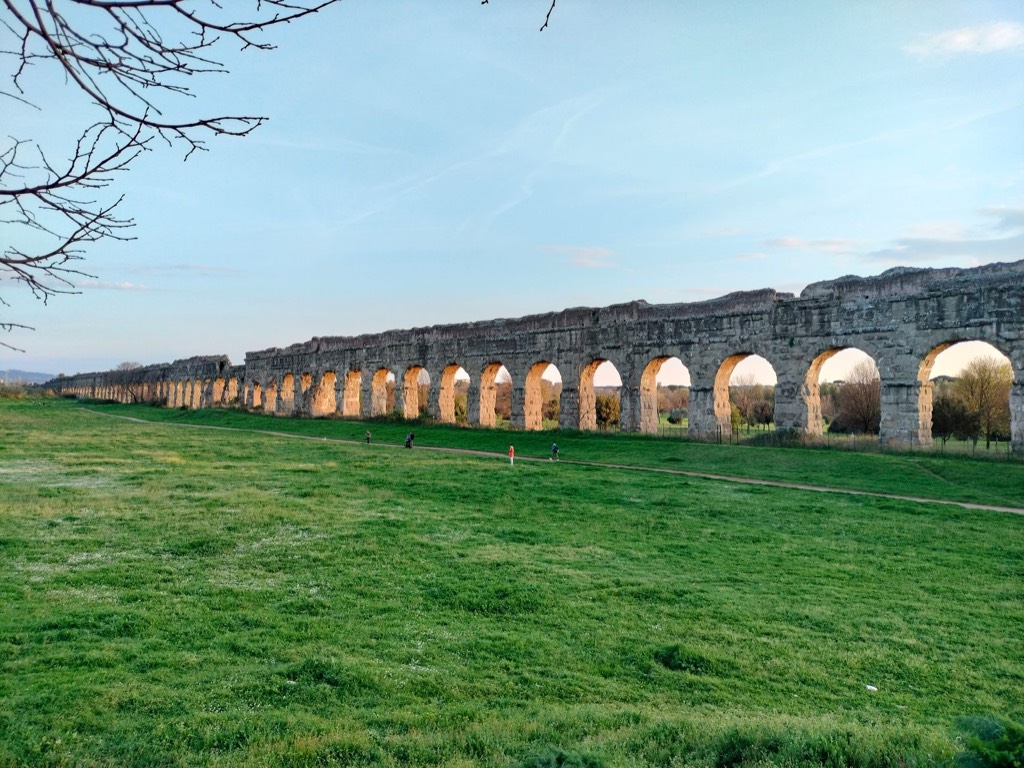
Water that came to youTo keep a city of a million people supplied, Rome built aqueducts that carried water for tens of miles on a gentle, unbroken downhill slope — sometimes a drop of just a few inches per mile. The water fed public fountains, baths, and, for the wealthy, lead pipes running straight into the house.
The Greeks and others had moved water before, but never at this scale or with this confidence. The idea that clean water should simply arrive where people live, on demand, is one we’ve never let go of — you turned a tap this morning without a second thought.
The Julian Calendar
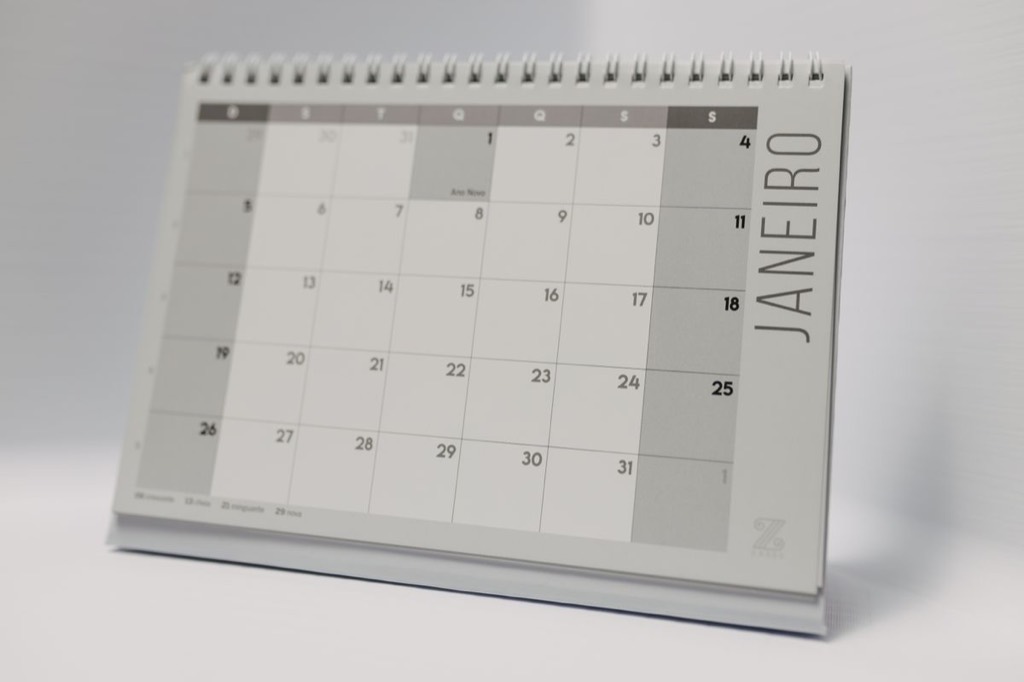
Why the year has 365 daysThe old Roman calendar was a mess, drifting so far out of step with the seasons that priests had to jam in extra months to fix it. In 46 BC Julius Caesar, on the advice of an Egyptian astronomer, scrapped the whole thing for a solar calendar of 365 days with a leap day every fourth year.
So the Egyptians deserve real credit for the underlying astronomy. But the structure Caesar imposed — twelve months, that familiar leap-year rhythm — is essentially the calendar you live by. The modern Gregorian version is just a small tune-up made in 1582 to stop it slipping a day or so every century.
The Bound Book
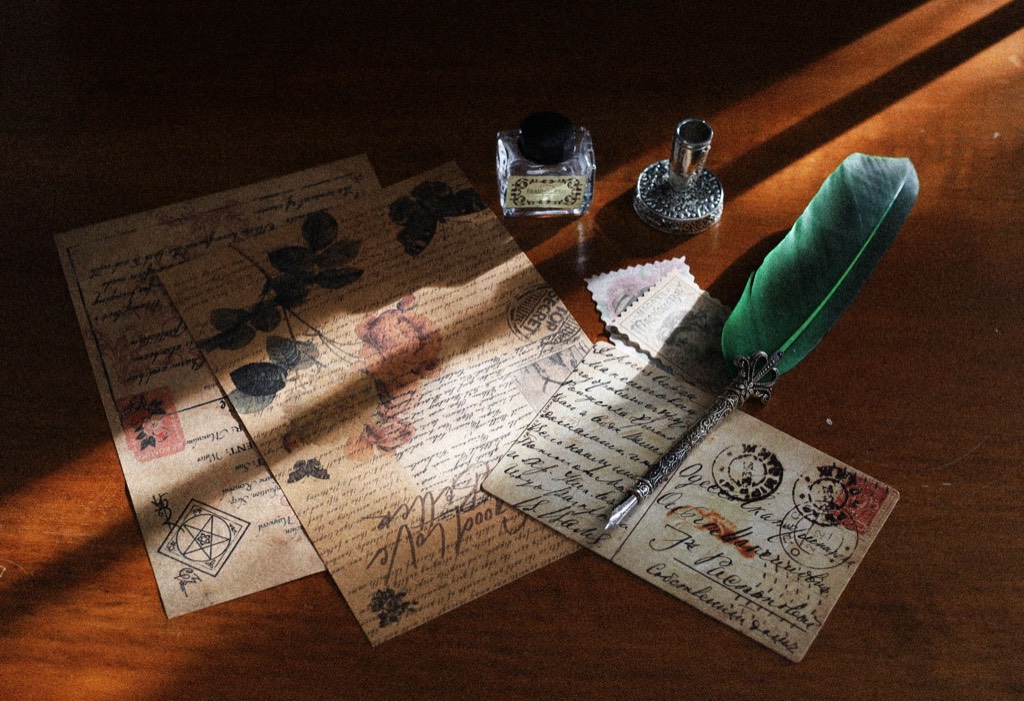
Pages you can flipFor most of antiquity, reading meant unrolling a long, awkward scroll with both hands. The Romans popularized an alternative called the codex — sheets stacked, folded, and bound along one edge, so you could flip to any page, mark your place, and write on both sides.
That’s a book. Every paperback and hardcover you’ve ever held is built on the same simple, brilliant format the Romans put into everyday use. It was cheaper, more compact, and easier to search — which is exactly why it eventually beat the scroll for good.
They were shameless borrowers — then they engineered every borrowed idea to a scale nobody had managed before.
The Daily News Sheet
The original headlinesLong before newspapers, Rome had the acta diurna — “daily acts” — a set of public notices carved on stone or metal and posted in busy spots around the city. They carried government announcements, court results, notable births and deaths, even the occasional scandal.
It wasn’t a printed paper, and only the state produced it, so let’s not overstate things. But the basic instinct — publish the day’s news where everyone can read it — is one you satisfy every time you glance at a headline over breakfast.
Arches and Domes
Holding up the ceilingThe arch wasn’t Roman by birth — the Etruscans and others used it earlier. What the Romans did was take it seriously, using the arch and its rotated cousin, the dome, to span far bigger spaces than a flat stone beam ever could. The rounded arch spreads weight outward and down, so it can carry enormous loads.
You’ll find that logic in bridges, doorways, tunnels, and cathedral ceilings all over the world. Next time you walk under a stone archway, notice how the whole thing leans on itself to stay up. That trick is pure Roman engineering, scaled up.
Central Heating
Warm floors, cold outsideWealthy Romans warmed their villas and public baths with the hypocaust — a system that raised the floor on stacks of little brick pillars and let hot air from a furnace circulate underneath and up through hollow walls. The floor itself became a giant radiator.
If you’ve ever stepped onto a heated bathroom floor and sighed with relief, you’ve enjoyed a two-thousand-year-old idea. Modern underfloor heating works on the very same principle — warm the surface people actually stand on, and the whole room follows.
Sewers and Sanitation
Where it all goesBeneath Rome ran the Cloaca Maxima, the “Greatest Sewer,” begun as an open drainage channel and later vaulted over into a proper underground sewer that carried waste and storm water out to the Tiber. Parts of it are still doing their job today, well over two thousand years on.
The Romans borrowed early drainage ideas from the Etruscans, then built at a scale that kept a huge city livable. The plumbing hidden in your walls and streets is the direct descendant of the idea that a city has to have somewhere for the water — and everything else — to go.
You could add Roman numerals to this list — still stamped on clock faces, film credits, and the Super Bowl — as the tenth survivor. But the real lesson runs deeper than any single object. The Romans were brilliant at taking a good idea, refusing to leave it small, and building it to last. Two thousand years later, a surprising amount of it still holds.
Sources
How much do you remember?
3 quick questions from the story above.
Enjoyed that? Play a full trivia quiz:
Play a History quiz