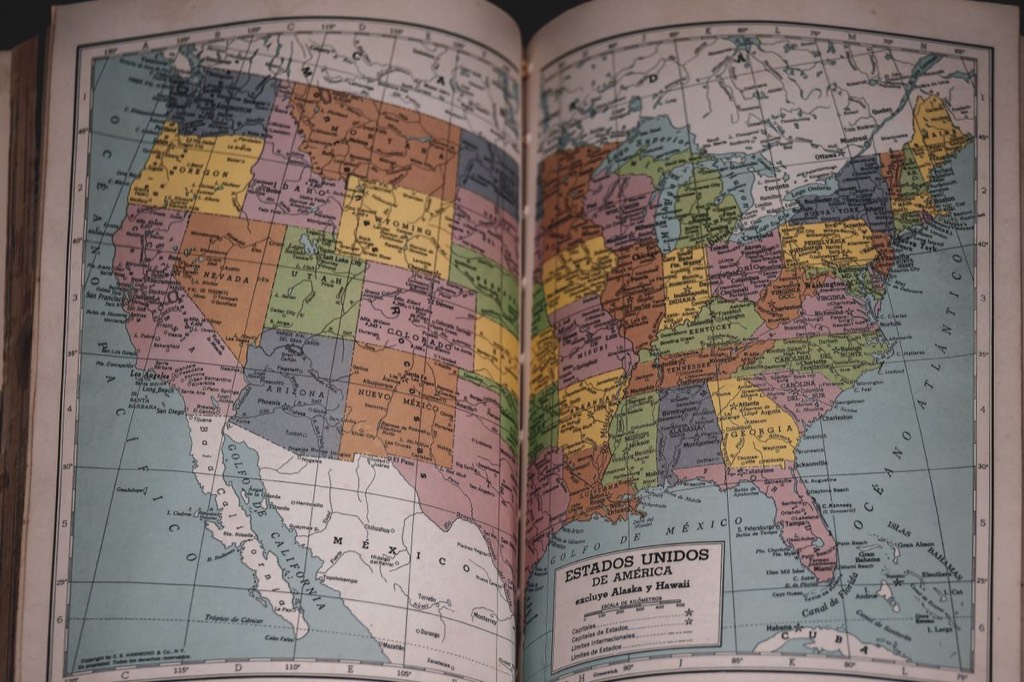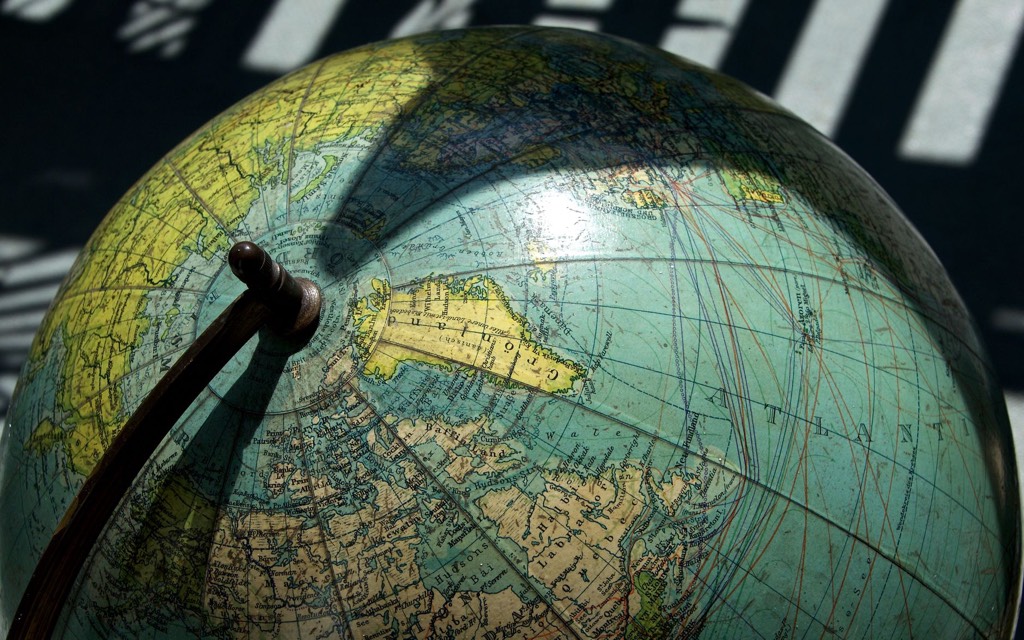
Run your finger across a world map and your eye snags on the big shapes — Russia sprawling across a dozen time zones, Canada stretching up into the ice. The tiny countries slip right past. Some are so small the mapmaker had to draw a little arrow and a label out in the blank margin, because there was no room to fit the name inside the borders.
But small doesn’t mean unremarkable. A few of these places run the oldest republic on earth, or own a slice of the internet, or sit in all four hemispheres at once. Here are nine you’ve probably never given much thought to — and one memorable thing about each.
Vatican City
A country you could walk across at lunchAt about a fifth of a square kilometer, Vatican City is the smallest country on the planet — you could stroll from one side to the other before your coffee got cold. Fewer than a thousand people call it home, which also makes it the least populous nation there is.
It has all the trappings of a full-sized state anyway: its own flag, its own postage, its own euro coins. It even has a railway — one short station and a couple hundred meters of track, used mainly to bring in freight rather than passengers.
Monaco
More people per square mile than anywhere elseThe second-smallest country after the Vatican, Monaco packs roughly 38,000 people onto a strip of the French Riviera barely two square kilometers across. That makes it the most densely populated country in the world — everyone stacked into apartment towers climbing straight up the hillside above the sea.
The whole place grew up around a casino. Monte Carlo opened its doors in the 1860s, and the money that rolled in turned a struggling little principality into a byword for yachts, Grand Prix racing, and residents who’d rather not talk about their tax bill.
San Marino
Older than most countries by a lotTucked into the hills of northern Italy, this speck of a republic likes to say it was founded in the year 301 by a stonemason hiding from Roman persecution. Whether or not you buy the exact date, San Marino has a decent claim to being the oldest republic still standing — and its constitution, written in 1600, is the oldest one still in use anywhere.
It’s completely surrounded by Italy, home to around 34,000 people, and has kept its own government running through the whole messy history of Europe next door. Not bad for a country you can see across on a clear day.
Liechtenstein
The world's false-teeth capitalWedged between Switzerland and Austria, Liechtenstein is one of only two countries on earth that’s doubly landlocked — to reach the sea you’d have to cross two borders, not one. It has no airport of its own; if you’re flying in, you land in Zurich and drive.
Here’s the part nobody expects: this tiny Alpine state is a giant in dentures. A single company based here supplies a huge share of the world’s false teeth, which means the smile of someone you know may well have started life in Liechtenstein.
Andorra
Ruled by two princes, one of them FrenchHigh in the Pyrenees between France and Spain sits Andorra, a country with one of the strangest arrangements at the top. It’s a co-principality, jointly headed by two rulers: a Spanish bishop and — this is the odd bit — the president of France, whoever that happens to be at the time.
Around 85,000 people live here, mostly off skiing, hiking, and duty-free shopping. Andorra keeps no standing army, leans on its neighbors for defense, and quietly posts one of the longest life expectancies in the world. Something about that mountain air, perhaps.
Some are so small the mapmaker had to draw a little arrow out in the margin, because there was no room to fit the name inside the borders.
Nauru
An island that mined itself hollowNauru is the smallest island nation there is — a single dot of coral in the Pacific, about 21 square kilometers, with roughly 11,000 residents. For a stretch in the last century it was, per person, one of the richest places on earth, and the reason was bird droppings.
Centuries of seabirds had left the island layered with phosphate, prized as fertilizer. Nauru dug it up and sold it, and kept digging — until most of the interior had been stripped down to a jagged moonscape of bare limestone. When the phosphate ran low, so did the money. It’s a small country with an outsized cautionary tale.
Tuvalu
The nation that got rich off ".tv"Another Pacific tiddler — nine low islands, 26 square kilometers, about 12,000 people, and hardly any of it more than a few meters above the waves. That last fact is the worry: as seas rise, Tuvalu is one of the most exposed countries on the map.
It got a strange piece of good fortune, though. Every country has an internet suffix, and Tuvalu’s happens to be “.tv” — catnip for television and streaming sites. Licensing those two letters brings in a meaningful chunk of the national income each year. Now the country is even building a digital copy of itself, in case the real islands go under.
Palau
Home to a lake full of harmless jellyfishPalau is a scatter of islands in the western Pacific with only about 20,000 people, and it punches far above its size on conservation. In 2009 it became the first country to turn its entire patch of ocean into a shark sanctuary, banning commercial shark fishing across an area roughly the size of France.
It’s also the place with Jellyfish Lake, a marine pond cut off from the sea where millions of golden jellyfish drift back and forth with the sun. Cut off from most predators, they’ve largely lost their sting — so snorkelers can glide right through the swarm.
Kiribati
The only country in all four hemispheresKiribati is 33 atolls flung across a huge stretch of the central Pacific. The land itself adds up to only about 800 square kilometers, but it’s spread so wide that both the equator and the date line run through the country — which makes Kiribati the only nation sitting in all four hemispheres at once.
Back in 1994 it nudged the date line eastward so all its islands could share the same day. A side effect: one corner of Kiribati is now the first place on earth to see each new morning. When the calendar flips to a new year, it flips here first.
None of these will ever dominate a map the way the giants do. But that’s rather the point — a country doesn’t have to be big to be interesting, and some of the best stories on the globe are hiding in the places you’d need a magnifying glass to find. Next time you’re near a map, go looking for the little arrows in the margin. There’s usually a good tale at the end of one.
Sources
How much do you remember?
3 quick questions from the story above.
Enjoyed that? Play a full trivia quiz:
Play a Geography quiz