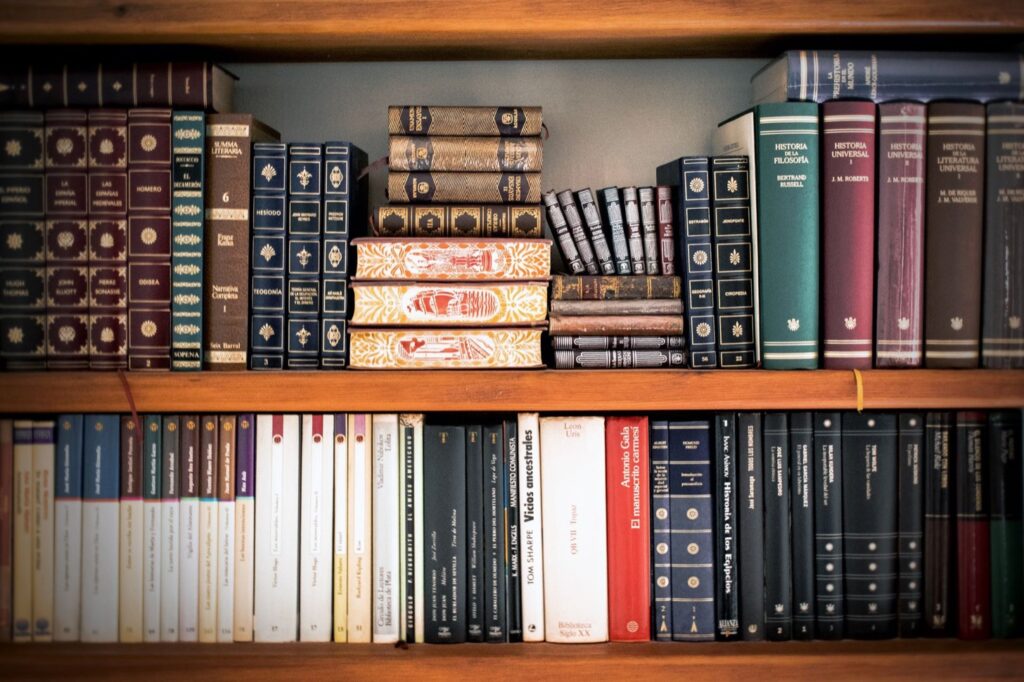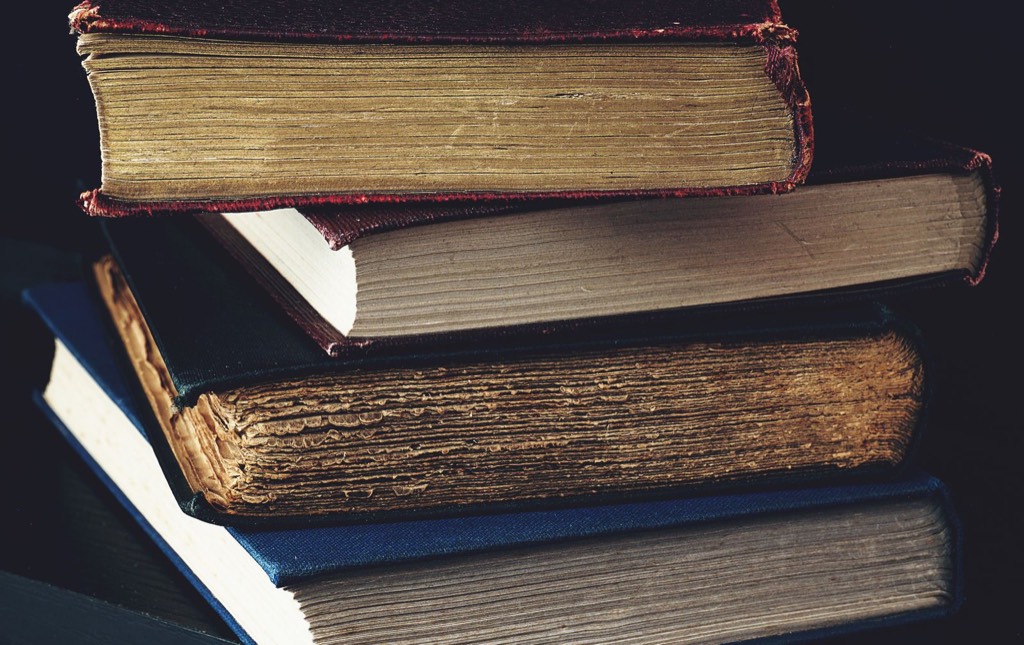
Here’s a strange thing about the books we hand our kids and press on our friends: a surprising number of them spent years on somebody’s “do not read” list. Not obscure, difficult books — beloved ones. The kind that turn up on classroom shelves and summer reading tables.
Banning a book almost never kills it; more often it just tells you which pages made someone nervous. Here are eight classics that were challenged or banned, and the real reason each one landed in trouble.
The banned books, at a glance
- To Kill a Mockingbird (Harper Lee) — racial slurs and its frank treatment of race.
- The Adventures of Huckleberry Finn (Mark Twain) — “coarse” language and a racial slur.
- The Grapes of Wrath (John Steinbeck) — banned and even burned over its portrait of landowners and the poor.
- Ulysses (James Joyce) — obscenity, in a landmark censorship case.
- 1984 (George Orwell) — challenged from both ends of the political spectrum.
- The Catcher in the Rye (J.D. Salinger) — profanity and rebellion; one of the most-challenged novels.
- Slaughterhouse-Five (Kurt Vonnegut) — profanity, sexual content, and irreverence.
- Harry Potter and the Sorcerer’s Stone (J.K. Rowling) — “witchcraft”; long atop the most-challenged list.
To Kill a Mockingbird
Harper LeeLee’s novel about race and justice in the Depression-era South has been challenged almost since it was published in 1960, and it still lands on the American Library Association’s most-challenged lists. The usual objections: racial slurs, its frank treatment of rape, and language that some parents and school boards call offensive.
The irony is hard to miss. A book that asks readers to sit with the ugliness of prejudice keeps getting pulled from shelves for depicting that ugliness too plainly. Some schools have moved it to optional reading; others have removed it outright.
The Adventures of Huckleberry Finn
Mark TwainTwain’s 1884 novel got into trouble almost immediately, though the reasons have shifted over time. The library in Concord, Massachusetts, banned it in 1885 for being coarse and irreverent — one committee member called it “trash.” A century later the objections centered on its heavy use of a racial slur, which has kept it on challenged-book lists to this day.
It’s a book people argue about precisely because it’s a landmark. Twain wrote it as a searing look at slavery and hypocrisy, and readers have been wrestling with its language ever since.
The Grapes of Wrath
John SteinbeckSteinbeck’s 1939 novel about a family of “Okies” driven west by the Dust Bowl was banned and even burned in some California towns — including Kern County, where much of the story is set. Local officials and farm interests objected to its unflattering portrait of landowners and its depiction of the poor, along with what critics called vulgar language.
The book struck a nerve because it was too close to home. It won the Pulitzer Prize, helped earn Steinbeck the Nobel, and was being pulled from shelves at the same time it was becoming an American classic.
Ulysses
James JoyceJoyce’s masterpiece has one of the most famous censorship stories in literature. In the United States it was effectively banned for more than a decade as obscene, largely over its sexual frankness. Copies were seized and burned by customs officials.
The ban ended in 1933, when Judge John Woolsey ruled in United States v. One Book Called Ulysses that the novel was a serious work of art, not pornography. That decision became a landmark for free expression, and the book has been in print in America ever since.
1984
George OrwellOrwell’s dystopia about total surveillance has been challenged from opposite ends of the political spectrum — which may be the most Orwellian detail of all. In the United States it has drawn objections for its sexual content and for being, depending on who you asked, either pro-communist or anti-government.
A book about the state controlling what people are allowed to think has, fittingly, spent decades being challenged by people who wanted to control what others could read. It remains a fixture on lists of frequently contested classics.
Banning a book almost never kills it. More often it just tells you which pages made someone nervous.
The Catcher in the Rye
J.D. SalingerFew books have been challenged as often as Salinger’s 1951 novel. For decades it was a lightning rod in American schools, targeted for profanity, sexual references, and what critics saw as a disrespectful attitude toward adults and authority. It has appeared repeatedly on the American Library Association’s lists of most-challenged books.
What makes it stranger is that the same qualities that got it banned — Holden’s raw, unfiltered voice — are exactly why generations of teenagers have loved it. It has sold tens of millions of copies while spending years on someone’s blacklist.
Slaughterhouse-Five
Kurt VonnegutVonnegut’s 1969 anti-war novel, built around the firebombing of Dresden, has been challenged for profanity, sexual content, and irreverence toward religion. In one notorious case, a school board in Drake, North Dakota, ordered copies burned in the school furnace in 1973.
The book also reached the U.S. Supreme Court. In Island Trees School District v. Pico (1982), a case sparked partly by its removal, the Court ruled that school boards can’t yank books from libraries simply because they dislike the ideas inside.
Harry Potter and the Sorcerer’s Stone
J.K. RowlingFor years the Harry Potter series topped the American Library Association’s most-challenged list. The objections almost always came down to the same thing: the books’ wizardry and magic, which some religious groups and parents argued promoted witchcraft or the occult to children.
It’s a remarkable case of a phenomenon and a controversy growing side by side. As the series sold hundreds of millions of copies and got kids reading in numbers publishers dream about, it was simultaneously being pulled from school libraries across the country.
Notice the pattern. Almost none of these books were banned for being bad — they were banned for being honest, or uncomfortable, or a little too alive. The next time you see a title on a challenged list, that’s worth remembering: someone, somewhere, found it powerful enough to be afraid of.
Frequently asked questions
Why are classic books banned or challenged?
Usually for language, racial slurs, sexual content, or politics that some parents or officials find objectionable. As the article notes, banning a book almost never kills it — more often it just tells you which pages made someone nervous.
Why was To Kill a Mockingbird banned?
For racial slurs, its frank treatment of rape, and language some parents and school boards call offensive — ironic for a novel that asks readers to confront prejudice. It still appears on the American Library Association's most-challenged lists.
Why was The Grapes of Wrath banned?
Some California towns — including Kern County, where much of it is set — banned and even burned it over its unflattering portrait of landowners, its depiction of the poor, and what critics called vulgar language. It won the Pulitzer anyway.
Do banned books usually disappear?
Almost never — bans tend to draw attention, and several of the most-challenged titles are now classics. If you enjoy the stories behind famous writing, see the everyday phrases that came straight from Shakespeare.
Sources
How much do you remember?
3 quick questions from the story above.
Enjoyed that? Play a full trivia quiz:
Play a Literature quiz